
Sonam Wangchuk Discharged from Hospital, Pays Tribute to Gandhi Before Returning to Ladakh
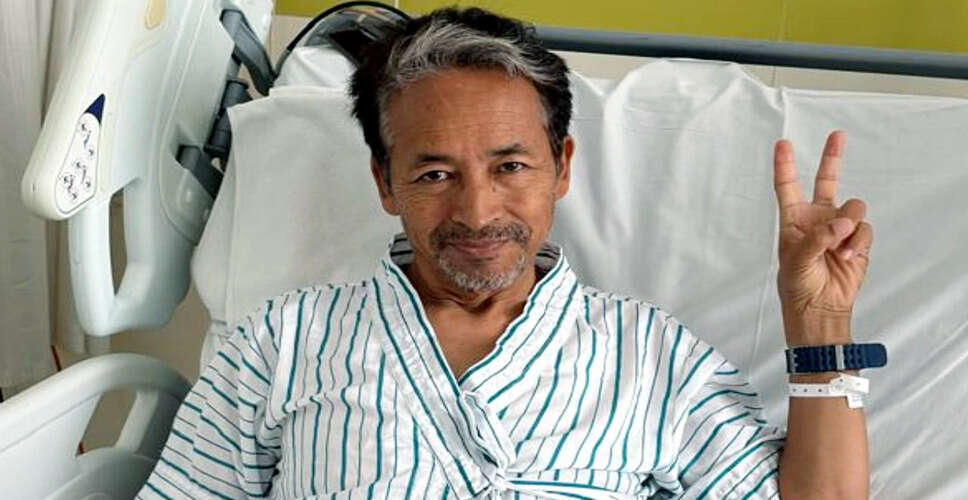

Sonam Wangchuk's Hospital Discharge and Tribute Plans
Activist Sonam Wangchuk has been discharged from Medanta Hospital and plans to visit Rajghat to pay his respects to Mahatma Gandhi before heading back to Ladakh. In a video shared on social media, Wangchuk was seen waving and expressing his gratitude, stating, "Finally, I am being discharged from the hospital. I will go to Rajghat to pay tribute to Mahatma Gandhi and then return to the mountains. Thank you all, and a special thanks to the wonderful doctors and staff at Medanta Hospital."
Background of Wangchuk's Activism
Prior to his hospitalization, Wangchuk had participated in a hunger strike at Jantar Mantar in support of students protesting alleged irregularities in the NEET exam. He had paid tribute to Mahatma Gandhi at Rajghat on June 28 before starting his indefinite hunger strike, which lasted for 26 days. On July 18, he was forcibly taken to Safdarjung Hospital, where he expressed feeling as if he were being held in custody.
Outcome of the Protests
Following a directive from the Delhi High Court, Wangchuk was transferred to Medanta Hospital. The 36-day protest led by the 'Cockroach People's Party' (CJP) concluded with the resignation of Education Minister Dharmendra Pradhan. This protest began on June 20, and Wangchuk's involvement came after a prolonged movement that ended with Pradhan's resignation on Saturday afternoon. Initially started as a satirical campaign on social media following comments from Chief Justice D.Y. Chandrachud, the protest gained momentum as the government assured the protesters regarding their demands.
Youth Engagement in the Protests
The protests against the NEET-UG 2026 exam paper leak saw widespread demonstrations across the country, leading to Pradhan's resignation from the council of ministers. Jantar Mantar, usually a quiet place, became a vibrant hub of protests led by the CJP, attracting youth and students who showcased creative banners and slogans. The movement gained significant traction when Wangchuk joined and became the face of the protest, leading a 26-day hunger strike.