
The Hidden Purpose Behind the Hole in Plastic Chairs
Understanding the Design of Plastic Chairs

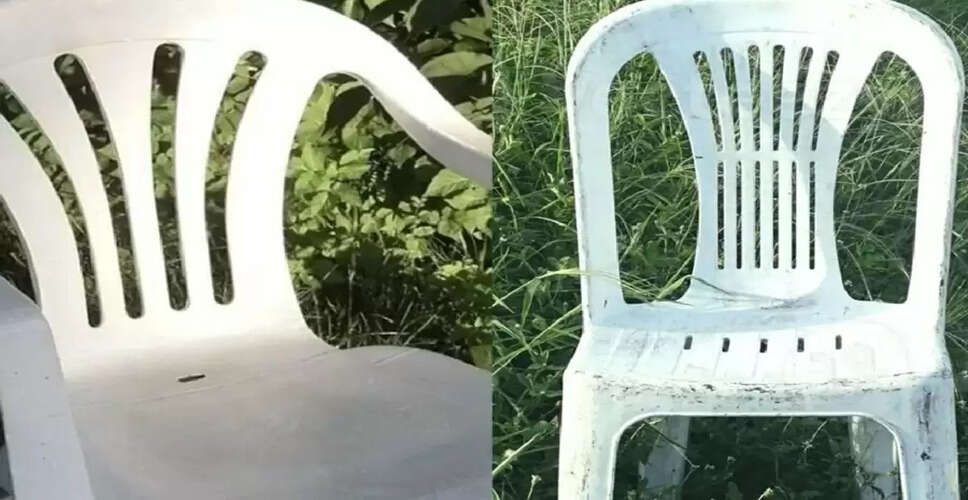
Have you ever wondered why plastic chairs have a small hole in them? This feature is not merely decorative; it serves several practical purposes. While many people think the hole is just for aesthetics, it actually plays a crucial role in the functionality of the chairs. One of the primary reasons for this design is to facilitate stacking.
When plastic chairs are stacked, air can become trapped between them, creating suction that makes it difficult to separate the chairs. The hole allows air to escape easily, preventing them from sticking together and making it simpler to pull them apart.
Additionally, this design simplifies the manufacturing process. Plastic chairs are made by pouring hot plastic into molds, and the hole helps in easily removing the chair from the mold, reducing the risk of damage during production.
The small hole also contributes to reducing the weight of the chair and requires less plastic for its construction, which in turn lowers production costs. Although this minor reduction may seem insignificant, it becomes substantial when millions of chairs are produced for export.
Moreover, the hole provides better ventilation for the person sitting on the chair, minimizing the risk of sweating during prolonged use. If water spills on the chair, the hole prevents accumulation and allows the liquid to drain out easily.
Ultimately, it becomes clear that every design element has a purpose. A small feature like a hole in a plastic chair serves multiple important functions beyond mere appearance.