
Reviving Assam's Puppetry Tradition: The Efforts of Gandhiya Village

Preserving a Cultural Heritage
The Gandhiya village in Pachim Nalbari has emerged as a centre of efforts to preserve the fading puppetry tradition.
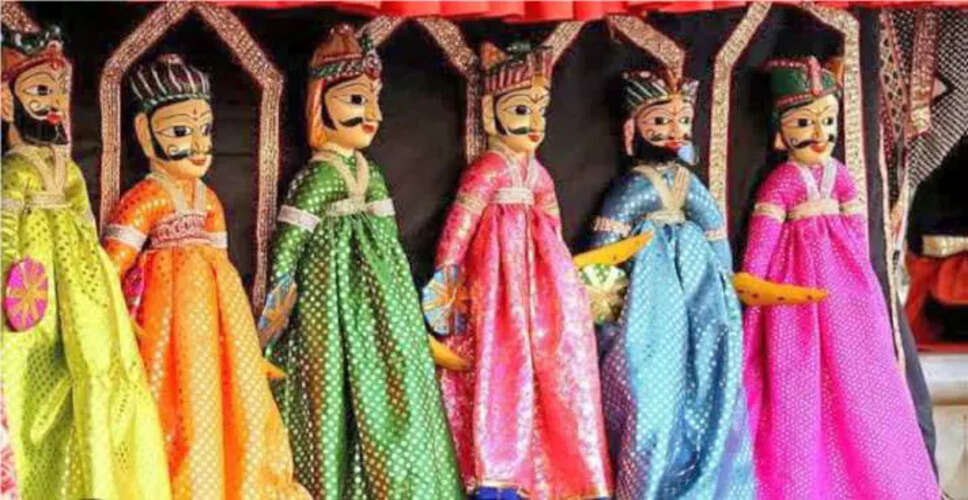
Chamata, Oct 28: Puppet dance, recognized as one of Assam’s ancient folk arts, plays a significant role in the state's cultural landscape. Artisans skillfully manipulate puppets using strings and bamboo sticks, narrating stories, folktales, and religious dramas behind a screen. However, this cherished art form is witnessing a decline in popularity due to modern influences.
In Pachim Nalbari, Gandhiya village has become a focal point for efforts aimed at preserving this dwindling tradition. The village boasts a puppetry heritage that spans several decades. A troupe led by Haricharan Deka from Pachim Dekapara Chuburi once performed throughout Assam until their activities halted in the 1970s.
In 2004, Ajay Kumar Sarma, a mechanical engineer, along with his brother Vijay Sarma and local community members, founded the Nataraj Puppet Theatre at Ozapara Chuburi. They received financial backing from the Sangeet Natak Akademi, and each of the seven artists was granted Rs 50,000 under the Assam Government’s Artist Welfare Scheme. Between 2011 and 2019, the group gained recognition at various national and regional festivals. Their commitment to preserving traditional puppetry earned them a fellowship from the Ministry of Culture for the 2025-26 period.
Another notable group, Basudev Puppet Dance, was established in 2008 by Pranab Sarma. Their performances, which include celebrations of Krishna’s Janmashtami and Bipra Damodar, are accompanied by traditional drumming. They have participated in the National Puppet Festival in Pandu, Guwahati, and the Ramdhenu Festival 2024, although they have not yet received financial support from the Assam Government.
Founded in 2018, the Ma Manasa Puppet Theatre, led by Hardhan Chakraborty and Dhiren Sarma, merges traditional puppetry with contemporary elements. Their productions, such as Ma Manasa, Durga Puja Nirmali, and Sapon Eti Beya Sapon, have been showcased at various venues across Assam, receiving positive feedback from audiences.
The artists involved in these groups, including Kishor Sarma, Prasenjit Sarma, Chandramohan Sarma, Ramesh Sarma, Sanjiv Sarma, and Manas Bhagawati, are pivotal in maintaining this unique art form. Their ongoing efforts illustrate that traditional puppetry can thrive through passion, innovation, and community engagement.
Puppet theatre is also practiced in other regions of Nalbari district, such as Makhibaha, Chandkuchi, and Mohkhali. The Asam Sahitya Sabha has contributed to the art's promotion through workshops and recognition events, including a puppet dance program held at Kamrup College near Gandhiya. Local residents, journalists, and social activists have also played crucial roles in advancing these cultural initiatives.
Despite these initiatives, ongoing government support is vital. Financial assistance, pensions for aging artists, and opportunities for younger generations to learn the craft are essential for ensuring the future of this art form.
The commitment of the artists from Gandhiya instills hope that this ancient folk tradition will endure, enhancing the village's cultural identity and enriching Assam's artistic legacy for future generations.
By Pradip Bhagabati