
Repatriation of Naga Ancestral Remains Marks Historic Return
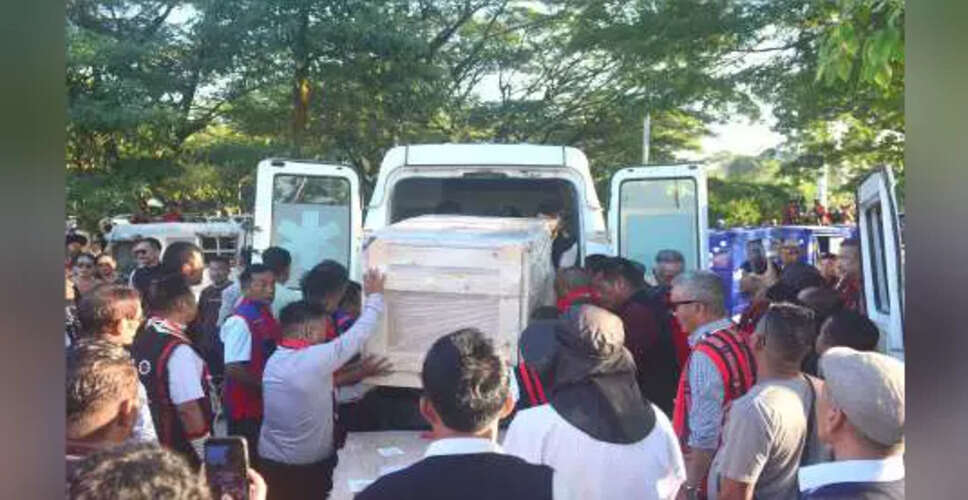

Historic Return of Naga Ancestral Remains
Dimapur, Nov 28: After a lengthy process that began in 2020, thirty-nine ancestral remains belonging to eight Naga tribes have finally returned to their homeland. These remains were housed at the Pitt Rivers Museum, University of Oxford, for nearly a century.
Members from all eight tribes—Phom, Konyak, Yimkhiung, Khiamniungan, Sumi, Tangkhul, Pochury, and Chang—along with representatives from other Naga communities, welcomed the remains at Dimapur airport. The remains were transported in four ambulances to Kohima for the final burial rites.
A public homecoming event is scheduled for tomorrow at the Nagaland Baptist Church Council Convention Centre in Kohima, where attendees can pay their respects, lay wreaths, and offer prayers starting at 9 am on November 29.
The burial ceremony will take place at the Naga Solidarity Park in Kohima at 2 pm on November 30. Many of these remains were reportedly taken from the Naga homeland by British colonial officials and anthropologists during the colonial era from 1910 to 1940.
The repatriation was facilitated by the Forum for Naga Reconciliation (FNR) and various Naga tribal organizations, in partnership with the Recover, Restore and Decolonise research group, alongside a delegation of tribal leaders, elders, and scholars.
In 2020, the Pitt Rivers Museum's decision to remove human remains from public display paved the way for meaningful discussions between the museum and Naga representatives regarding the return of these ancestral remains.