
Impact of Taunting on Children's Development: Insights from a Parenting Expert


Understanding the Effects of Taunting on Children
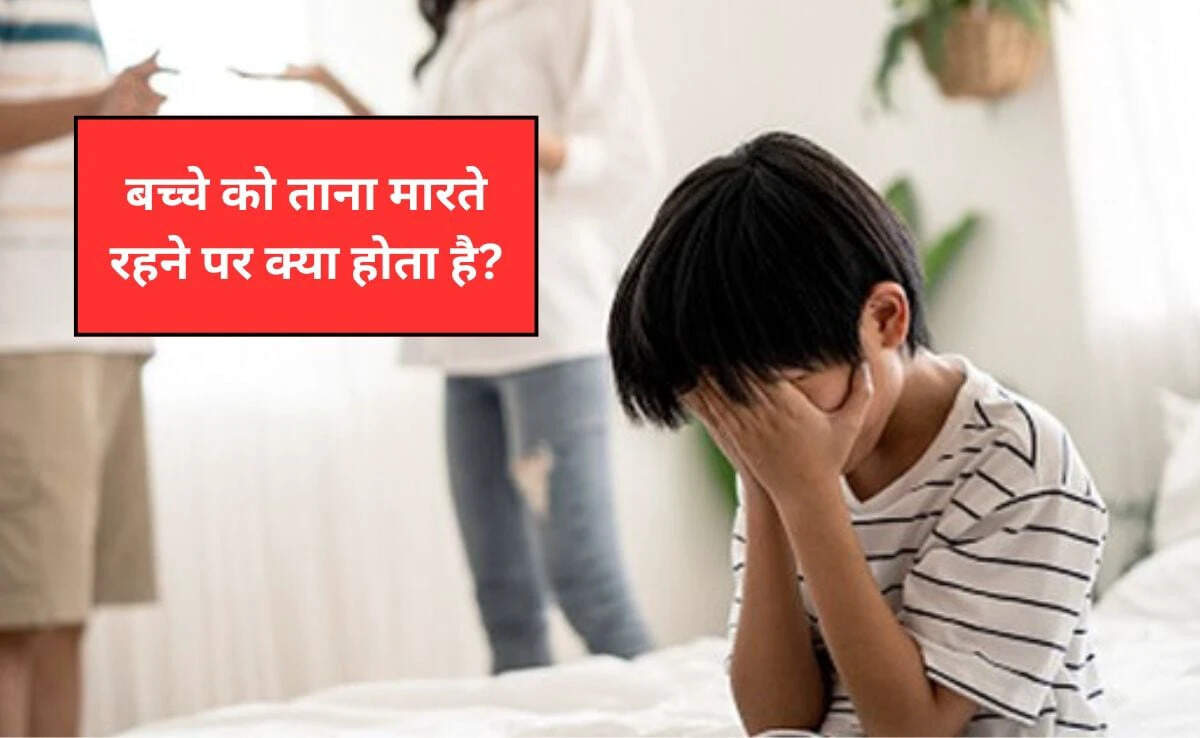
Parenting Insights: Children are naturally playful and often make mistakes. However, parents can sometimes become frustrated with their children's behavior and resort to taunting instead of guiding them.
Taunts can arise from various situations, such as excessive laughter, shyness in front of others, poor academic performance, or even choices in clothing. Once parents start taunting, it can become a continuous cycle. But what are the consequences of this behavior on children? Parenting expert Vibha Sharma recently shared a video on her Instagram account explaining the effects of persistent taunting on children. Let's explore the impact of this habit.
Consequences of Continuous Taunting:
According to the expert, children who are frequently taunted may eventually stop trying. For instance, if a child is mocked for not achieving good grades, they might lose their motivation to perform well. Similarly, if a child is criticized for their dressing sense or for not completing tasks, they may not feel encouraged to improve.
Warnings from the Parenting Coach:
- The behavior of parents significantly influences a child's upbringing. The expert emphasizes that the words and actions directed at children can have lasting effects. For example, children who are frequently punished in childhood may grow up to be either very aggressive or excessively withdrawn.
- Children who are often ridiculed may lose their self-confidence as they grow older.
- The parenting coach notes that children who are not trusted in their formative years may develop a tendency to lie excessively in adulthood.
- Children who do not receive praise during their childhood may struggle to love themselves as they grow older.