
Exploring the Unique Customs of the Third Gender Community

Understanding the Third Gender's Rituals
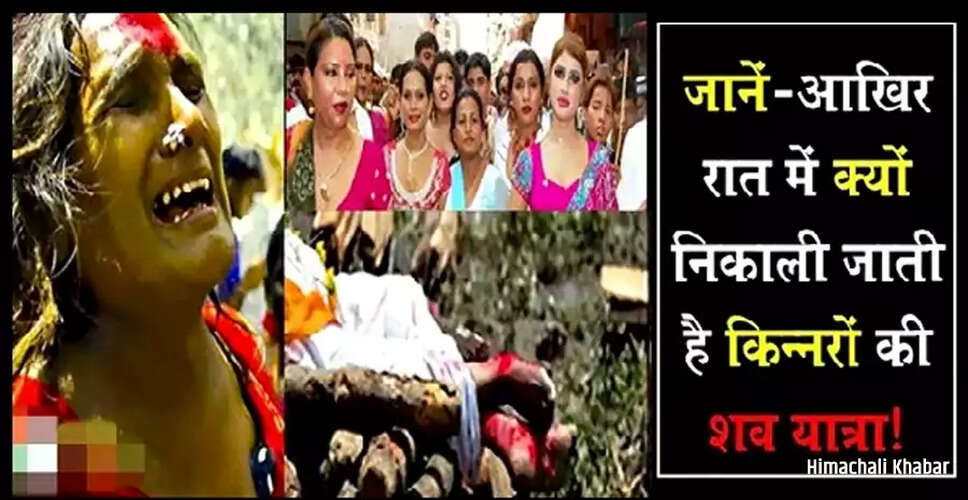
In our society, the transgender community is recognized as the third gender. Their lives are often quite different from the mainstream, with unique lifestyles and customs that many may not be familiar with. Today, we will delve into their world, which is filled with distinct traditions. From birth to death, they follow specific rules that govern their existence. While you may have heard about their births, have you ever witnessed a transgender funeral procession?
Most likely not. This raises the question: why is that? Typically, the deceased are kept hidden from public view. Unlike most funeral processions that occur during the day, transgender funerals are held at night. This practice is rooted in the belief that no one should witness their final journey. Additionally, it is customary for only members of their community to attend these funerals, excluding others.
When a member of the transgender community passes away, they do not mourn in the traditional sense. Instead, they celebrate the deceased's release from the hardships of life, believing that death brings liberation from suffering. In this spirit, they often donate money during the funeral, praying for a favorable rebirth for the departed.
Interestingly, before the final rites, the community members may strike the body with shoes or sandals. According to a media report, this act is believed to absolve the deceased of all sins. Although they identify with Hindu beliefs, their funerary practices differ significantly; instead of cremation, they opt for burial.