
Significant Surrender of Naxals in Odisha Marks a Turning Point
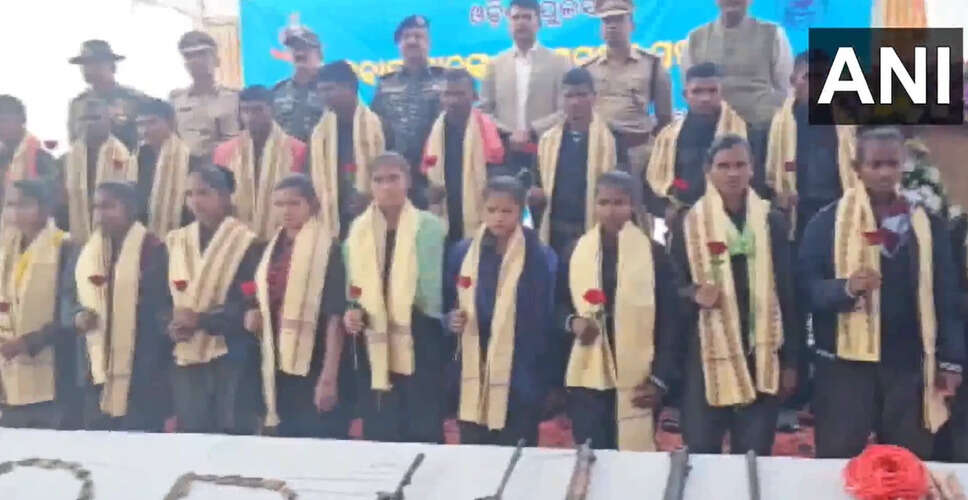
Major Surrender Ceremony in Odisha
In a formal event attended by the Director General of Police (DGP) Y.B. Khurana, a notable surrender took place. The individuals who surrendered handed over a cache of weapons, including AK-47 rifles and Self-Loading Rifles (SLRs), and were honored with traditional shawls under the banner of Odisha Police's Naxal Surrender initiative. DGP Yogesh Bahadur Khurana announced that 22 Naxals surrendered with their arms today. The surrendered weapons included AK series rifles and INSAS rifles. He expressed hope that more Naxals would follow suit and reintegrate into society, urging all Naxals to abandon violence as the government has made arrangements for their rehabilitation.
Context of the Surrender
This event marks the first significant collective surrender in Odisha for 2025 and comes amid intensified anti-Naxal operations across the country. The region of Malkangiri, located on the Odisha-Chhattisgarh border, has long been a stronghold for Maoists. The surrendered cadres will now participate in the state's rehabilitation program, which offers financial assistance, vocational training, and integration into mainstream society.
National Trends in Maoist Activities
On a national scale, there has been a substantial decline in Maoist activities in 2025, with reports indicating 1,225 surrenders, 270 neutralizations, and 680 arrests across India. Security experts view these developments as evidence of the weakening of Maoist ideology and a growing trust in government initiatives.