
Significant Reduction in Commercial LPG Prices Offers Relief to Businesses

Price Cuts Announced for Commercial LPG
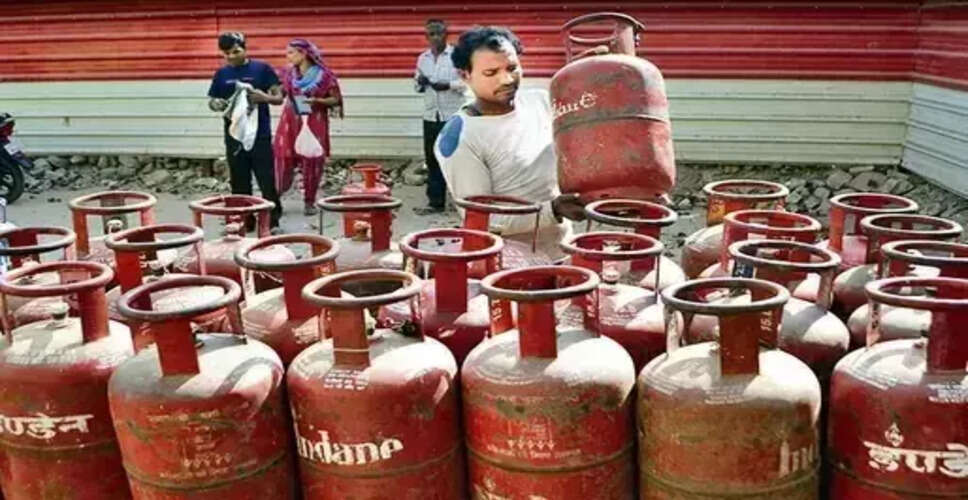
A file image of workers handling LPG cylinders during delivery. (Photo:PTI)
New Delhi, July 1: On Wednesday, state-owned oil marketing companies (OMCs) announced a reduction in the price of 19-kg commercial LPG cylinders by as much as Rs 183.50 in major cities. This move is expected to provide significant relief to restaurants, hotels, and other businesses that depend on LPG for cooking.
The new pricing is effective immediately, while the cost of the 14.2-kg domestic LPG cylinder remains steady at Rs 942.
Additionally, aviation turbine fuel (ATF) prices have been lowered by approximately Rs 5 per litre, attributed to a decline in global crude oil prices.
This price cut marks the first decrease in commercial LPG rates this year, following a series of hikes prompted by the conflict in West Asia.
Officials noted that refiners have secured sufficient crude oil and LPG shipments, with imports from West Asia nearing pre-conflict levels.
Commercial LPG prices are adjusted on the first day of each month, based on the average benchmark prices from the previous month.
The last adjustment for domestic LPG cylinders occurred on June 7, when prices were raised by Rs 29.
Recently, the government has been gradually reversing several emergency measures implemented during the conflict to ensure the availability of household fuel.
Last week, the government restored commercial LPG supplies to pre-conflict levels, improving availability and lifting restrictions that had limited allocations to commercial and industrial users.
Furthermore, the sale of petrol and diesel to commercial customers through retail outlets has resumed, and the temporary cap of 200 litres per customer on diesel sales has been removed.
Previously, commercial and industrial LPG consumers whose allocations were suspended were permitted to receive 50% of their supplies as availability improved.
During the peak of the conflict, the government had invoked the Essential Commodities Act to ensure that C3-C4 hydrocarbon streams were exclusively used for LPG production, diverting them from petrochemical and other downstream industries.
OMCs were also instructed to maintain detailed records of commercial and industrial LPG consumers to aid in supply planning.
The easing of supply constraints has led states to lift restrictions as well. On June 25, the Assam government removed all limitations on commercial LPG cylinders after the Ministry of Petroleum and Natural Gas confirmed that the supply situation had improved following a review of the West Asia crisis.
The recent price reductions follow a period where the government kept petrol and diesel prices stable for nearly 75 days amid supply disruptions, despite rising international crude prices, before ultimately increasing retail fuel prices by a total of Rs 7.50 per litre in four increments.