
Significant Maritime Activity Amid West Asia Conflict
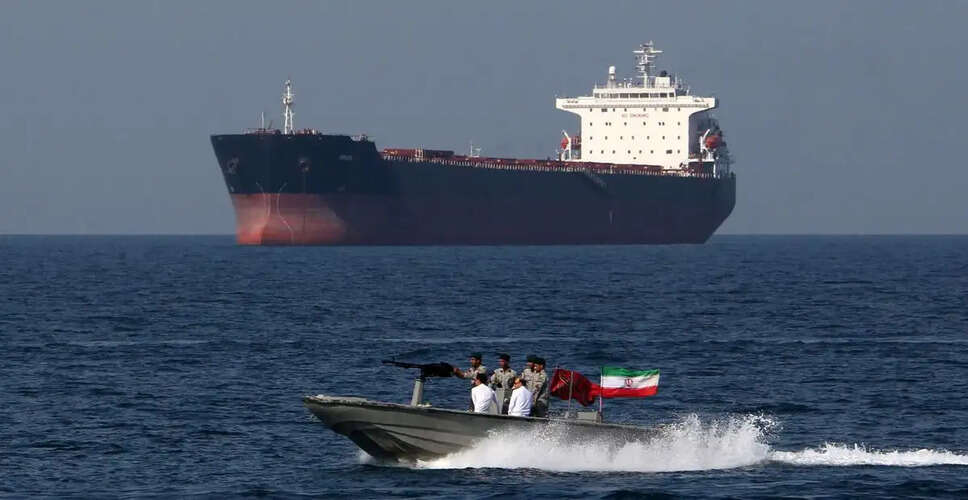
Maritime Traffic Through the Strait of Hormuz
Approximately 90 vessels, including oil tankers, have navigated the Strait of Hormuz since the onset of the conflict in West Asia, according to maritime and trade data sources.
The unrest in the region began on February 28, leading Iran to effectively restrict access to the Strait for most international commercial shipping. This vital waterway is responsible for about 20% of the world's oil supply.
Following these disruptions, global oil prices have seen a continuous upward trend.
Recent Developments in the Conflict
Key updates from the ongoing situation in West Asia:
- Between March 1 and 15, at least 89 ships, including 16 oil tankers, traversed the Strait of Hormuz. Reports indicate that over 20% of these vessels were linked to Iran, with others affiliated with China and Greece. Some ships were noted to be operating without location trackers to avoid Western sanctions.
- India confirmed that liquefied petroleum gas carriers Shivalik and Nanda Devi successfully crossed the strait recently. Additionally, a Pakistani-flagged crude oil tanker managed to pass through the strait, as reported by maritime data firm Lloyd’s List Intelligence.
- Tehran and Moscow reported that a projectile impacted the grounds of Iran’s Bushehr nuclear power facility. Fortunately, no nuclear material was released, and the International Atomic Energy Agency (IAEA) confirmed no damage or injuries occurred.
IAEA's Response and Iran's Military Actions
The IAEA has been informed by Iran that a projectile hit the premises of the Bushehr NPP on Tuesday evening. No damage to the plant or injuries to staff reported. Director General @RafaelMGrossi reiterates call for maximum restraint during the conflict to prevent risk of a… pic.twitter.com/fhze0vOqrQ
— IAEA - International Atomic Energy Agency ⚛️ (@iaeaorg) March 18, 2026
- On Tuesday, Iran launched cluster missile strikes on central Israel, labeling the action as retaliation for the assassination of its security chief, Ali Larijani. The attack reportedly resulted in two fatalities.
- Oil prices experienced a decline of over $2 per barrel following an agreement between the Iraqi government and Kurdish authorities to resume oil exports through Turkey’s Ceyhan port. Brent futures dropped by 2.1% to $101.1, although they have remained above $100 due to ongoing regional tensions.
- The United States conducted airstrikes on Iranian missile sites near the Strait of Hormuz, citing threats to international shipping as justification for the attacks.
- Israel’s health ministry reported that since the conflict's escalation, 3,272 individuals have been injured, with 74 currently hospitalized, including seven in serious condition.
Broader Implications of the Conflict
The conflict escalated when the United States and Israel targeted the Iranian government, claiming its actions posed a significant threat to Israel's security. In response, Iran has retaliated by attacking Israeli and U.S. military installations in the region, as well as targeting major cities in Gulf nations and various vessels.
Israel has expressed concerns that Iran is nearing the capability to develop a nuclear weapon, which could significantly alter the security dynamics in the region. Conversely, Tehran insists that its nuclear ambitions are solely for peaceful purposes.
The International Energy Agency has indicated that the ongoing hostilities have resulted in the most substantial supply disruption in the history of the global oil market.