
Significant Fuel Price Hike Announced After Four Years

Fuel Prices Surge Amid Global Crude Price Rise
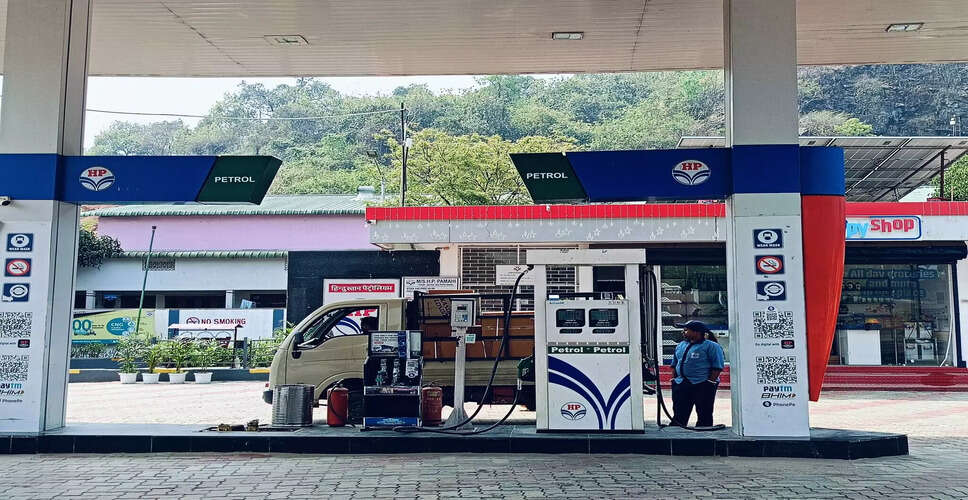
A file image of a petrol pump in Guwahati. (Photo: Chinmoy Bhowmick/'X')
NEW DELHI, May 15: In a notable move, petrol and diesel prices have been increased by Rs 3 per litre, marking the first adjustment in over four years. This decision comes in response to the escalating losses faced by fuel retailers due to rising global crude oil prices.
The price adjustment follows the conclusion of assembly elections in Assam, Kerala, Tamil Nadu, and West Bengal, which took place 16 days prior. Throughout the election period, fuel prices remained stable despite a significant increase in international oil prices driven by the conflict in West Asia.
As per industry reports, the price of petrol in the national capital has risen to Rs 97.77 per litre from Rs 94.77, while diesel now costs Rs 90.67, up from Rs 87.67.
Since April 2022, fuel prices had been on hold, with only a minor reduction of Rs 2 per litre for both petrol and diesel in March 2024, just ahead of the Lok Sabha elections. The last price hike prior to this was in April 2022.
In Mumbai, petrol is now priced at Rs 106.68 per litre, and diesel at Rs 93.14. Kolkata sees petrol at Rs 108.74 and diesel at Rs 95.13, while in Chennai, petrol costs Rs 103.67 and diesel Rs 95.25.
Price variations across states are attributed to differing value-added tax rates.
Although fuel prices are officially deregulated, political factors often influence adjustments.
Global energy prices surged following the US-Israel attack on Iran on February 28, which led to Tehran's retaliation that effectively closed the Strait of Hormuz, a crucial maritime route for a significant portion of the world's oil and gas supply. During the peak of the conflict, crude oil prices soared above USD 120 per barrel, compared to USD 70-72 before the crisis.
Recently, prices have moderated but remain high, fluctuating between USD 104-110 per barrel. This situation has resulted in substantial losses for state-owned fuel retailers, yet retail prices remained unchanged during the election period in five key states.
Prior to the recent price hike, oil companies were incurring losses of Rs 14 per litre on petrol, Rs 42 on diesel, and Rs 674 on cooking gas LPG.
Oil Minister Hardeep Singh Puri indicated earlier this week that the three major fuel retailers were losing approximately Rs 1,000 crore daily, with quarterly losses potentially erasing all annual profits, totaling around Rs 1 lakh crore.
To alleviate the burden on consumers from rising global prices, the government had previously reduced excise duties on petrol and diesel by Rs 10 per litre each on March 27.
Private fuel retailers had already begun raising prices, with Nayara Energy increasing petrol prices by Rs 5 per litre and diesel by Rs 3 in March, while Shell raised petrol prices by Rs 7.41 and diesel by Rs 25 per litre starting April 1. In Bengaluru, Shell's petrol is priced at Rs 119.85 per litre and diesel at Rs 123.52.
In March, domestic cooking gas LPG prices were also raised by Rs 60 per cylinder, although they remain significantly lower than the actual cost.
Industry insiders suggest that the recent price hike is a strategic move aimed at alleviating some margin pressure on oil companies without triggering a major inflationary impact.
However, experts warn that this increase will inevitably affect inflation rates.