
Significant Flight Disruptions Hit U.S. Airports This Sunday

Overview of Flight Disruptions
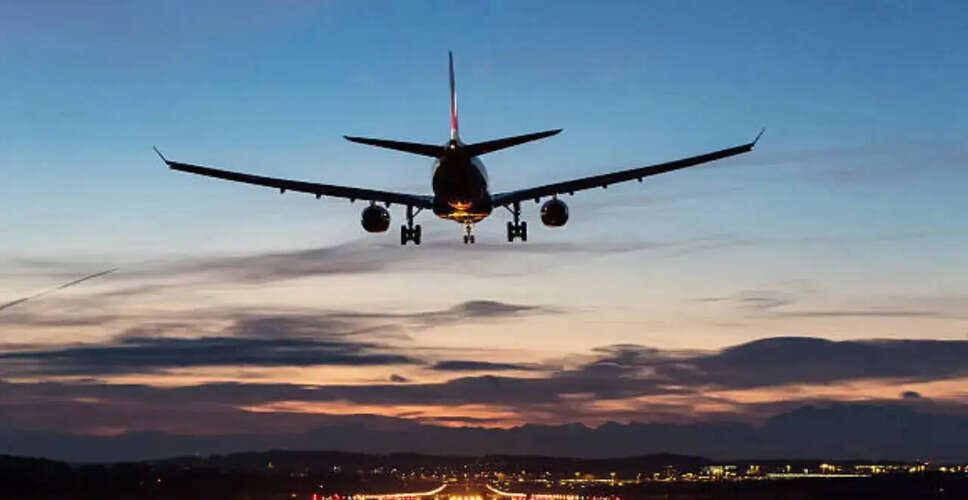
This Sunday is proving to be challenging for travelers at American airports, as a new wave of flight disruptions has emerged. Currently, there are 135 flight cancellations and approximately 1,910 delays reported nationwide, affecting nearly every segment of the U.S. air travel system.
Airports Experiencing Issues
Which Airports Are Affected?
Eight of the busiest airport systems in the U.S. are facing significant cancellations and delays, complicating the situation for airlines. The impacted airports include Hartsfield-Jackson Atlanta International, Boston Logan, Chicago O'Hare, Dallas-Fort Worth, Houston George Bush Intercontinental, Houston William P. Hobby, Los Angeles International, and the three major airports in New York. These hubs collectively manage a substantial portion of daily air traffic, and when multiple major airports experience disruptions, the effects can quickly escalate, leading to missed connections across the network.
Airlines Affected by the Disruptions
Which Airlines Are Hit?
The disruptions are impacting a wide range of U.S. airlines. Major carriers such as Delta Air Lines, American Airlines, and United Airlines have reported significant delays at their main hubs, highlighting the interconnected nature of their flight schedules. A delay in one flight can lead to a domino effect, causing further delays in subsequent flights. Additionally, low-cost carriers like Spirit and JetBlue are also experiencing disruptions, especially on popular routes between major coastal cities. These airlines typically operate with fewer backup planes and tighter crew schedules, making them more susceptible to cascading delays.
Causes Behind the Disruptions
What Is Causing the Disruptions?
The current disruptions are attributed to a combination of factors familiar to those monitoring U.S. aviation. Unstable weather conditions necessitating increased aircraft separation, ongoing congestion at major airports, and persistent staffing and equipment challenges for both airlines and air traffic control are contributing to the chaos. Even a brief weather-related ground stop at a major hub can lead to hours of scheduling issues, particularly during peak travel times in the morning and late afternoon. Recent industry data indicates that U.S. on-time arrival rates are in the upper seventies, leaving airlines with minimal flexibility when unexpected events occur.