
Significant Drop in Gold Prices: Why India Sees Only a 20% Decline Compared to 24% Globally
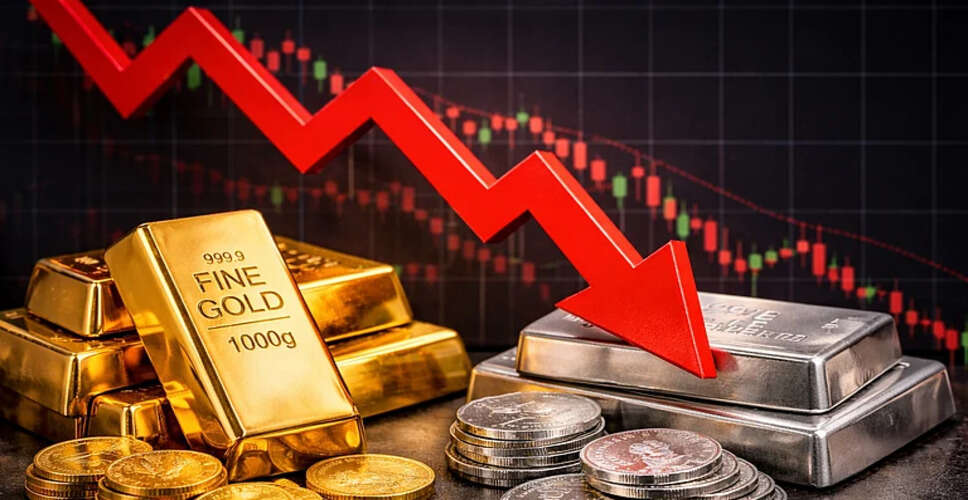

Gold Prices Plummet, Drawing Global Attention
New Delhi. The recent substantial decline in gold prices has captured the interest of investors and buyers worldwide. In the international market, gold has dropped nearly 24% from its peak levels. Meanwhile, in India, the prices have seen a decrease of about 20%. This raises the question: why has the decline in India been less pronounced compared to the global market?
Gold Prices Down 24% from Record Highs
On Friday, the spot price of gold in the global market closed at $4,068.71 per ounce, marking a significant drop of approximately 24% from the record high of $5,379 per ounce recorded on January 29, 2026.
Typically, when the price of a commodity falls by 20% or more from its peak, it is referred to as a bear market. This decline in gold prices has sparked considerable discussion among investors.
How Much Has Gold Prices Dropped in India?
According to the All India Sarafa Association, on Dhanteras, gold with 99.9% purity was priced at ₹1,46,300 per 10 grams in the national capital, Delhi. In contrast, the price reached a record high of ₹1,83,000 per 10 grams on January 29, 2026.
This indicates a decline of about 20% in gold prices in the Indian market, which is approximately 4% less than the drop observed in the international market.
Why Haven't Gold Prices Fallen More in India?
Two primary factors are attributed to the disparity in gold price declines between the global and Indian markets: the increase in import duties and the depreciation of the rupee.
1. Increased Import Duties Halt Further Declines
India imports a significant portion of its gold requirements. Therefore, fluctuations in international gold prices, along with import duties, directly impact domestic prices.
When gold prices peaked in January, the effective import duty in India was 6%. However, on May 13, the government raised the effective duty on gold and silver to 15%, which includes a 10% basic customs duty and a 5% agriculture infrastructure cess.
This decision aimed to reduce gold imports and manage the pressure on the rupee and foreign exchange reserves. The increase in import duties has significantly mitigated the impact of the decline in international gold prices on the Indian market.
2. Weakness of the Rupee Plays a Major Role
Gold prices are determined in dollars on the international market. Consequently, when the Indian rupee weakens against the dollar, Indian importers must spend more rupees to purchase gold from abroad.
On January 29, the rupee was trading around 92 against the dollar. Due to this depreciation, despite the drop in international gold prices, the decline in domestic prices has not been as significant.
What Does This Mean for Indian Buyers?
Despite the drop in gold prices, the effects of import duties and the exchange rate remain significant in the Indian market. This explains why, even with a 24% decrease in the international market, gold prices in India have only fallen by about 20%.
This situation highlights that the pricing of gold in the Indian market is not solely dependent on international rates; rather, import duties and the rupee's performance against the dollar also play crucial roles in determining domestic gold prices.