
Significant Damage to US Military Bases in the Middle East Raises Concerns
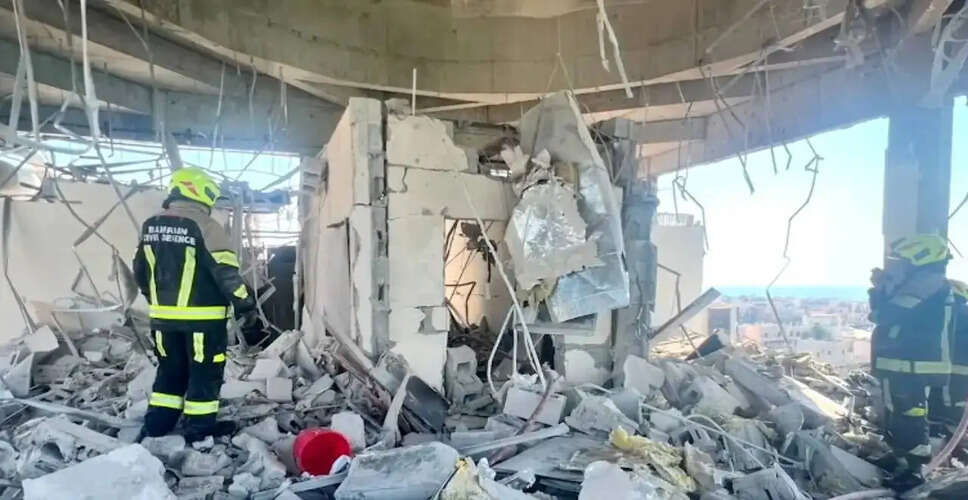

Extent of Damage from Iranian Attacks
A recent investigation by a major news outlet reveals that Iranian missile and drone strikes have caused more extensive damage to US military installations in the Middle East than previously reported. The Pentagon is now re-evaluating its military presence in the region, as at least 20 US sites, including the crucial Navy base in Bahrain, were affected. This situation raises alarms about the safety of American facilities that are within reach of Iran's growing arsenal of missiles and drones.
Bahrain Naval Base Faces Severe Damage
Bahrain Naval Base Suffered Extensive Damage
Naval Support Activity (NSA) Bahrain, the US Navy's sole permanent base in the Middle East, was among the most severely impacted. The report indicates that Iranian attacks from late February to June resulted in damage to the base's command center, numerous buildings, and two satellite communication terminals. Although the Pentagon claims that no US personnel were killed and operations remained largely unaffected, it was noted that most staff had been evacuated prior to the strikes, leaving only a small number on-site.
Pentagon's Review of Military Strategy
Pentagon Reassesses Middle East Military Presence
The extent of the damage has prompted a reassessment of the US military strategy in the Gulf region. According to sources familiar with the situation, the Pentagon is contemplating redesigning the Bahrain naval base, reducing troop levels in Kuwait and Saudi Arabia, and relocating some military assets to areas beyond the reach of Iranian missiles and drones. Officials are also considering whether to rebuild the damaged facilities or to relocate key command centers underground to enhance security.
Financial Implications of Rebuilding
Rebuilding Damaged Bases Could Cost Hundreds of Millions
The financial repercussions of these attacks could be significant. The Pentagon's Comptroller recently informed Congress that the estimated $29 billion cost of the conflict does not account for the damage to military bases. Estimates suggest that repairing the infrastructure at NSA Bahrain alone could reach approximately $400 million, excluding costs related to debris removal and site fortification. Additionally, a think tank has projected the total cost of the conflict to be nearly $40 billion, which includes damages to US military facilities across the region.
Vulnerability of Gulf Bases Highlighted
Conflict Exposes Growing Vulnerability of Gulf Bases
This investigation underscores ongoing concerns regarding the vulnerability of US military installations in the Gulf. NSA Bahrain was established long before Iran developed its current capabilities in precision-guided missiles and long-range drones. Military experts have previously warned that many US bases in the region are increasingly at risk from such threats. Discussions about relocating military infrastructure further west were initiated during the Trump administration but were never acted upon.
Diplomatic Tensions Escalate
Iran Warns of Halt to Nuclear Talks
The conflict's regional implications are also affecting diplomatic negotiations. Reports indicate that Iran has cautioned that talks with the United States could cease entirely if further military actions occur. Discussions regarding sanctions relief, Iran's uranium enrichment, and security in the Strait of Hormuz are anticipated to continue, although tensions remain elevated following the recent series of attacks.