
Significant Damage to US Military Bases in Iran Attacks Revealed

New Insights into Middle East Conflict Post Ceasefire
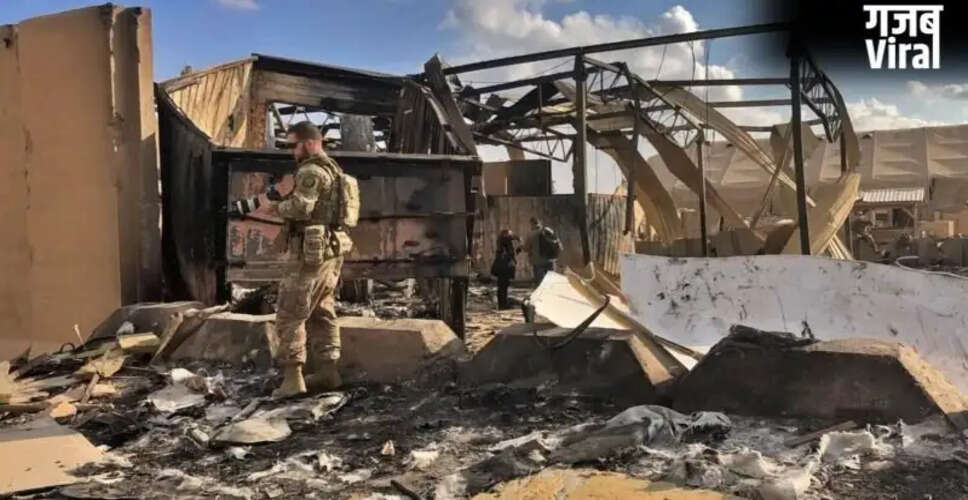
Approximately a month after the ceasefire between Iran and the United States, fresh details have emerged regarding the conflict in the Middle East. An international report indicates that during nearly 40 days of military tension, Iranian assaults inflicted severe damage on at least 16 US military installations across eight different countries, including Kuwait, Bahrain, the United Arab Emirates, Saudi Arabia, Jordan, and Iraq.
Unprecedented Attacks on US Bases
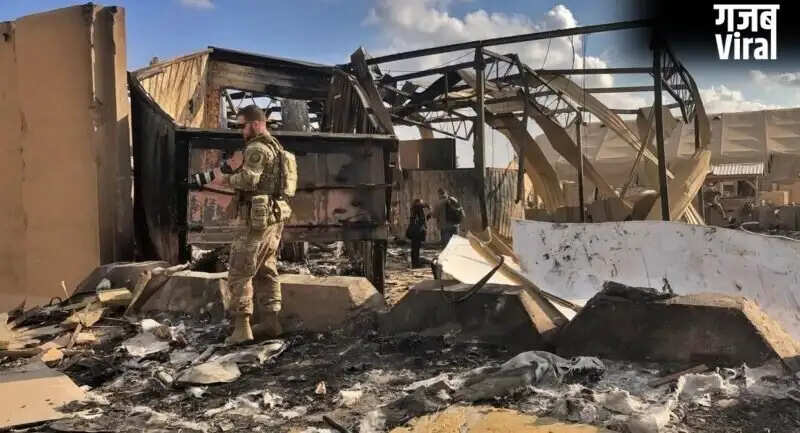
According to an investigative report by a major news outlet, the attacks on several US military bases were executed with such speed and precision that they resulted in unprecedented damage. A defense expert noted that these assaults utilized advanced technology, delivering a significant blow to US security systems.
Targeting Key Military Assets
The report further claims that the Iranian strikes specifically targeted critical US military equipment and systems, including the E3 Sentry surveillance aircraft, which is considered America's 'eye' in the Gulf region. This aircraft was destroyed in an attack on the Prince Sultan Air Base in Saudi Arabia. Additionally, communication equipment at Camp Arifjan in Kuwait and radar systems at the Salt Air Base in Jordan also suffered substantial damage.
Strategic Importance of Attacks
US officials have stated that the radar and surveillance systems in the region are among their most valuable and crucial assets for monitoring military activities. The attacks on these systems are viewed as strategically significant.
Al Udeid Air Base Under Fire
One of the most critical US installations, the Al Udeid Air Base in Qatar, was also targeted, where the US command center and war room are located. This base was hit in two separate attacks, along with the Naval Support Facility in Bahrain and Camp Buehring in Kuwait.
Potential Chinese Assistance
The report also makes a significant claim that Iran's military capabilities may have been bolstered by technical assistance from China. It is suggested that Iran acquired an advanced TEE014 satellite from China in 2024, which has aided in the precise monitoring of US military bases.
Implications for Global Security
This satellite technology is reported to be significantly more advanced than previous systems, enhancing Iran's ability to keep a close watch on US activities in the region. However, this claim has not yet been officially confirmed.
This entire sequence of events reflects the shifting military balance and technological competition in the Middle East, which could have profound implications for global security in the future.