
Should You Spread Ghee on Roti? Insights from Acharya Balkrishna

The Role of Ghee in Indian Cuisine
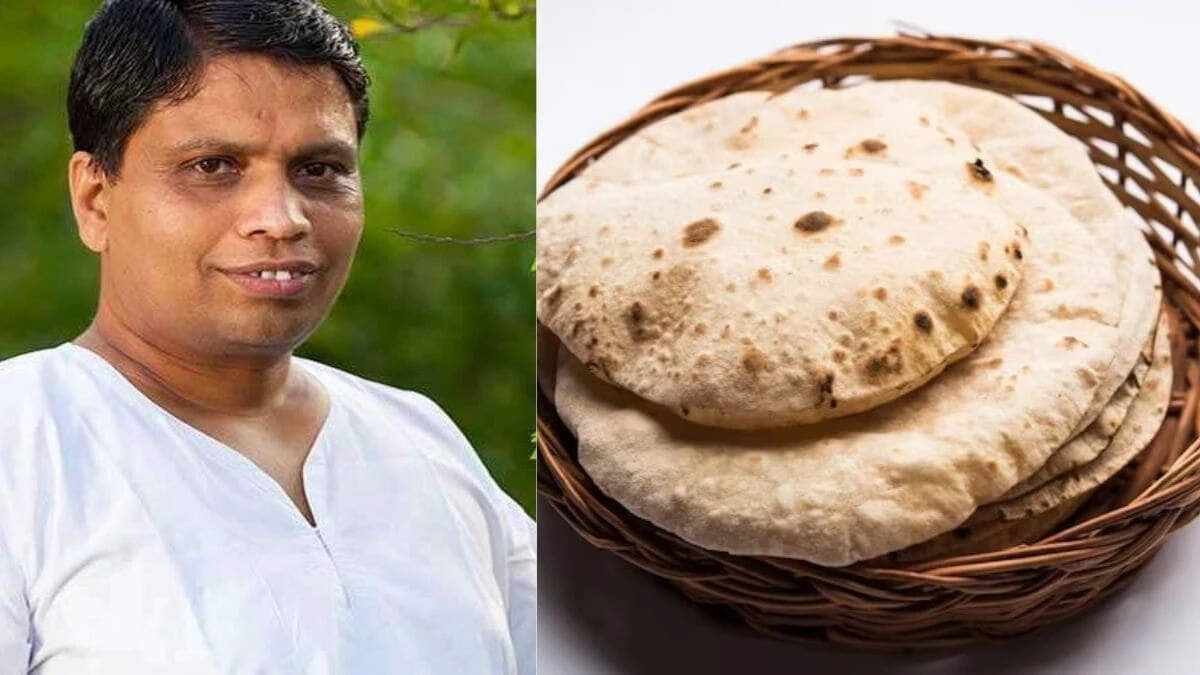
Should You Spread Ghee on Roti? Ghee is a staple in Indian kitchens, enhancing flavor and considered beneficial for health. Particularly, desi ghee is revered in Ayurveda as a form of nectar.
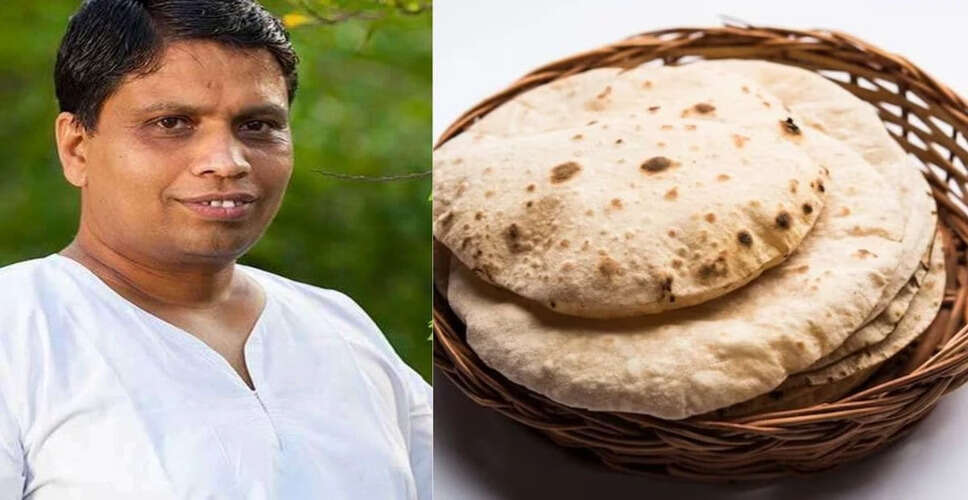
Roti is commonly paired with ghee, and many people enjoy spreading it on their bread. However, this practice raises a question: is it advisable to eat roti with ghee? If you're curious about this, let's explore the insights from Acharya Balkrishna, the head of Patanjali Yogpeeth.
What is the Correct Way to Eat Roti?
In a video shared on his YouTube channel, Acharya Balkrishna emphasizes the numerous health benefits of ghee. It contains essential fatty acids and vitamins A, D, E, and K, which are vital for our bodies. Despite these advantages, he advises against spreading ghee on roti.
Why Avoid Spreading Ghee on Roti? According to Acharya Balkrishna, applying ghee creates a layer on the roti that can hinder digestion. This layer may prevent food from being properly digested, leading to issues like gas, indigestion, or a feeling of heaviness. Therefore, it is better to avoid spreading ghee directly on roti. Instead, you can add ghee to the vegetables or lentils you are consuming with the roti. This means you can enjoy ghee in your dishes while keeping the roti plain.
Acharya Balkrishna further explains that some people apply ghee to make the roti softer. If your rotis tend to become hard, consider adding ghee to the dough while kneading. This method will keep the rotis soft and easier to digest, allowing you to enjoy ghee without compromising your health.
Disclaimer
This content is intended for general informational purposes only and is not a substitute for professional medical advice. Always consult a qualified healthcare provider for more information.