
Shimla Experiences Unprecedented Night Temperature Amid Climate Concerns
Unusual Temperature Trends in Shimla
Sunil Chadha
Shimla
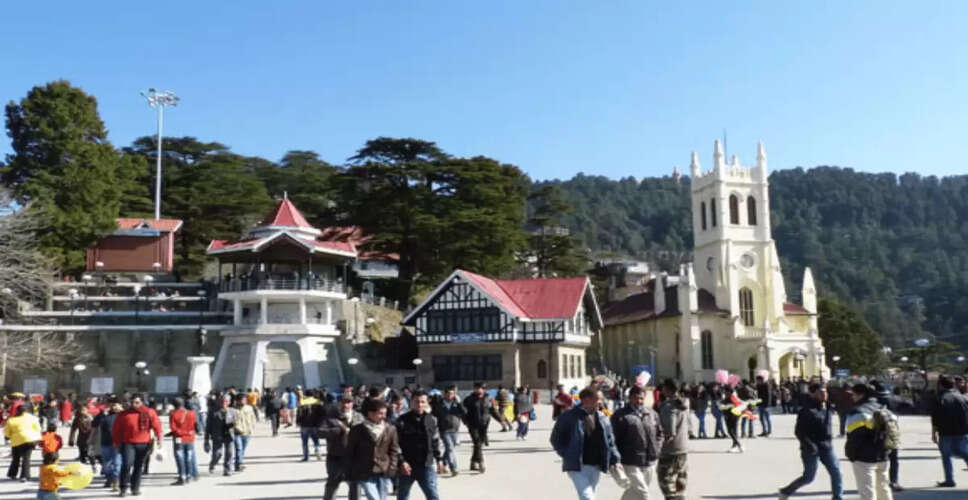
As the higher elevations of Himachal Pradesh endure severe cold, the state capital, Shimla, has reported an alarming minimum temperature of 12.2°C, the highest in the region. This unusual warmth has raised alarms among environmentalists, climate analysts, horticulturists, and those in the hospitality sector.
Weather specialists indicate that such elevated nighttime temperatures in mid-December are atypical for Shimla. The last similar occurrence was on December 17, 1991, when the minimum temperature reached 13.8°C. An environmental expert remarked, “This is not just a typical fluctuation; warmer winter nights in hill towns signal a significant shift in climate patterns in the western Himalayas.”
Dramatic Temperature Variations
Sharp contrasts in night temperature
The temperature differences across various regions are striking. Kukumseri recorded a chilling -4.1°C, while Tabo was at -2.3°C. In contrast, several mid-hill towns reported lower temperatures than Shimla, with Kalpa at 3.4°C, Sundernagar at 2.7°C, and Bhuntar at 3.5°C. Manali's minimum was 4.6°C, Solan at 3.2°C, and Palampur at 5.5°C. Dharamshala experienced 8.8°C, and Una recorded 7°C. Jubbarhatti and Kufri were also cooler, at 9.2°C and 10.3°C, respectively.
Environmentalists express concern over this unusual trend, where the capital remains warmer than many lower-altitude areas. A climate analyst stated, “Increasing minimum temperatures pose greater risks than sporadic heat spikes, impacting snowfall, soil moisture, and long-term water availability.”
Concerns for Agriculture
Apple orchardists and farmers anxious
Apple growers in Shimla, Kinnaur, and Kullu districts are worried as the prolonged dry spell and warmer nights are affecting the chilling hours essential for apple trees. An orchardist noted, “Without sufficient winter chill and snow, the flowering and fruit-setting processes will be compromised. Farmers are increasingly anxious about the upcoming season.”
Conversely, farmers in the plains and lower hills are grappling with persistent fog that is damaging vegetable and onion crops, heightening the risk of losses. Many districts have been awaiting rain for weeks, adversely affecting both rabi crops and horticulture.
Forecasts Bring Hope
Rain, snow forecast offers hope
The Meteorological Centre in Shimla has predicted rain and snowfall in the mid and higher hill districts over the next two days due to an active western disturbance. Areas such as Chamba, Kangra, Kullu, Mandi, Shimla, Kinnaur, and Lahaul-Spiti are expected to receive precipitation, providing some relief to farmers and orchardists.
However, dense fog continues to disrupt daily activities in Bilaspur, Sirmaur, and parts of Mandi district, particularly near reservoirs. Visibility remains poor during morning and evening hours, affecting vehicular movement. A yellow alert for fog is in effect for the next two days, while clear weather is anticipated across the state from December 22 to 25.
Impact on Tourism
Hoteliers in Shimla and other tourist destinations express concern
Hoteliers in Shimla and surrounding tourist areas are beginning to feel the effects of the lack of early snowfall on winter tourism. A hotelier remarked, “Tourists expect snow in Shimla during winter. When nights are warm and snow is absent, it negatively impacts bookings.”
With maximum temperatures also dropping by up to five degrees in several regions due to cloud cover, experts warn that erratic temperature patterns are becoming the norm in Himachal Pradesh, posing serious threats to ecology, agriculture, and tourism.