
Shifts in Modi's Political Strategy Spark Debate in Indian Politics
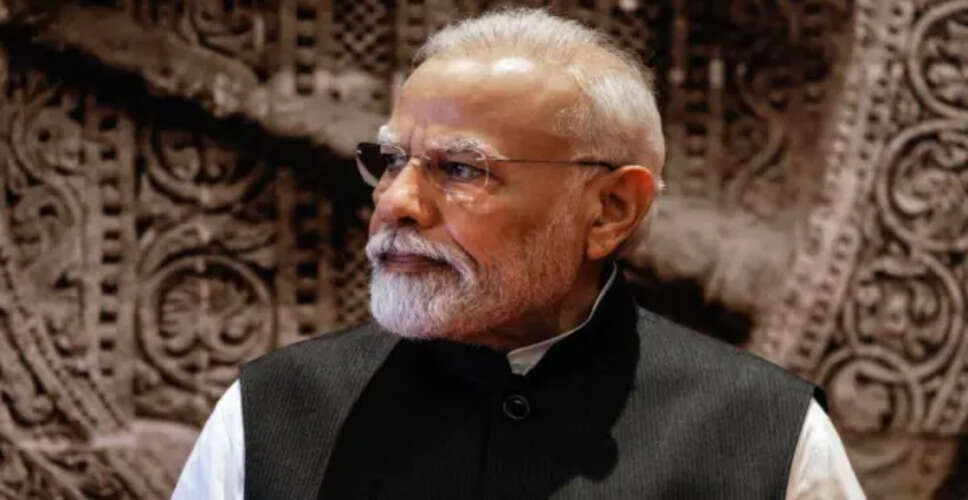

Modi's Evolving Political Approach
In Indian politics, Prime Minister Narendra Modi has long been associated with themes of development, good governance, national security, and strong leadership. Throughout his electoral campaigns, he has consistently highlighted his government's achievements, welfare initiatives, and future visions. However, recent shifts in his political speeches and strategies have ignited new discussions within political circles. The opposition claims that Modi is adopting a more aggressive political style than before, while the BJP argues that this change is a response to the evolving political landscape.
Political analysts suggest that the dynamics of the country's politics are continuously changing. The opposition is now more organized in its efforts to challenge the government on various issues. The level of political confrontation has increased, from parliamentary sessions to election rallies. Consequently, the BJP is also adjusting its strategies to communicate its political messages more effectively to the public.
In his recent campaign speeches, Modi has directly addressed opposition allegations and has raised pointed questions about the policies and practices of rival parties. Experts believe this approach may be aimed at uniting supporters and clearly articulating the party's stance in the electoral environment. Conversely, the opposition accuses the government of diverting attention from core issues by escalating political rhetoric.
BJP leaders assert that Modi's stance adapts to the circumstances. They argue that responding to the opposition's continuous accusations and questions is part of the democratic process. The party maintains that Modi continues to prioritize development, infrastructure, employment, Digital India, self-reliant India, and welfare schemes in his political agenda.
On the other hand, the opposition contends that the tone of political discourse has become more confrontational than in the past. They argue that the government should focus more on pressing issues such as inflation, unemployment, agriculture, economic challenges, and other public concerns. They advocate for comprehensive discussions on these topics in parliamentary and electoral forums.
Experts believe that in any large democracy, political strategies evolve with time and circumstances. Electoral equations, coalition politics, the role of regional parties, and public expectations can motivate political parties to adjust their strategies. Therefore, changes in a leader's political style should not be attributed to a single cause.
In the upcoming elections and parliamentary sessions, it will become evident how effective this strategy by the BJP and Modi proves to be. Meanwhile, the opposition will continue its efforts to challenge the government on various fronts. Political analysts assert that ideological clashes between the ruling party and the opposition are natural in a democratic system, but ultimately, the decision rests in the hands of the electorate.