
Shifting Global Dynamics: Trump's Upcoming Visit to China Amidst Middle East Turmoil

Introduction to Trump's Visit
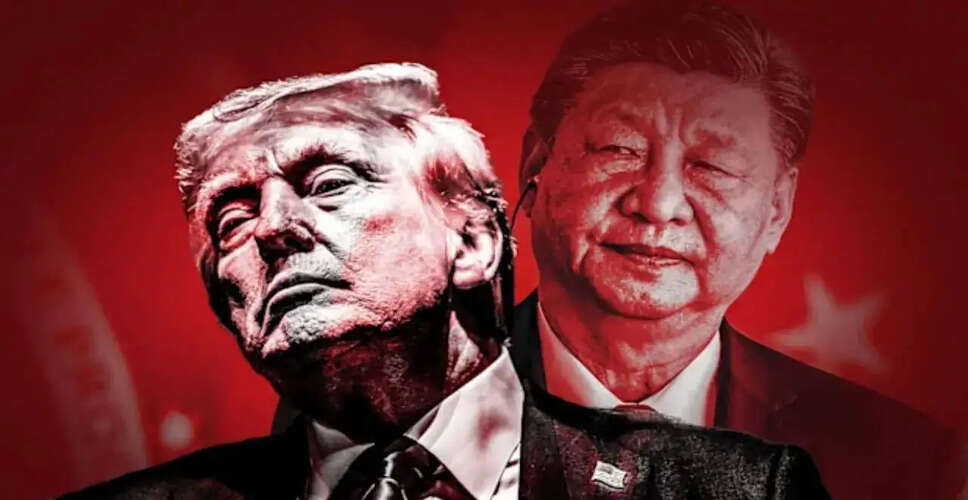
As President Donald Trump gears up for his first trip to China in almost ten years, set for mid-May, the ongoing tensions in the Middle East have subtly altered the global power dynamics. Initially sparked by military confrontations with Iran, this situation has escalated into a broader economic conflict, seemingly aligning with Beijing’s long-term objectives while revealing the limitations of Washington's influence.
Trump's Challenges and China's Response
Since returning to the presidency, Trump has faced significant challenges from major adversaries, encountering unexpected resistance. His earlier tariff initiatives against China prompted retaliatory measures, including restrictions on rare earth exports, leading to a temporary ceasefire as nations scrambled for essential materials used in various technologies, according to reports.
The conflict with Iran has further complicated the global landscape. Following US-Israeli strikes that decimated much of Iran's leadership, Tehran has effectively limited traffic through the Strait of Hormuz, a crucial passage for approximately 20% of the world's oil and gas shipments. This has resulted in unprecedented disruptions to global energy markets.
Impact on Global Energy Markets
The repercussions of this conflict have inadvertently benefited nations that Trump has sought to isolate. Rising oil prices have compelled the US to temporarily lift sanctions on Russian and Iranian oil exports to maintain global supply, undermining one of Washington's primary economic pressure tactics.
For Chinese President Xi Jinping, this crisis confirms the effectiveness of years of strategic planning. Since his third term began, Xi has consistently urged officials to prepare for extreme scenarios, pushing for greater self-sufficiency in energy and technology, lessons learned from the Covid-19 pandemic and previous tariffs.
China's Energy Strategy
China, as the largest crude oil importer, has managed the energy crisis with surprising resilience. The nation has heavily invested in renewable energy, leading the world in solar capacity. Currently, half of all new vehicles sold in China are electric, insulating consumers from rising fuel prices. Despite relying on coal for about half of its electricity, China has diversified its oil sources, with Russia and Saudi Arabia as key suppliers, achieving around 80% energy self-sufficiency.
Political Pressures in the US
In contrast, Trump faces mounting political pressure to lower gasoline prices ahead of the 2026 midterm elections. Treasury Secretary Scott Bessent has expressed hope that prices could drop to $3 per gallon by mid-summer, but the current surge has already strained American consumers and the economy.
While some in Washington perceive the conflict as a strategy to limit China's oil access, the immediate reality shows China managing the situation more effectively than anticipated. Unlike other nations grappling with power outages and fuel shortages, daily life in China remains largely unaffected.
Renewable Energy and Future Prospects
The Iran conflict has also accelerated global interest in renewable energy, a sector where China holds a significant advantage. As countries strive to shield themselves from future energy crises, the demand for Chinese solar panels, batteries, and electric vehicles is expected to rise, bolstering Beijing's economy and international partnerships.
Moreover, the conflict has underscored China's preparedness in various sectors. Last year's rare earth export restrictions showcased Beijing's ability to leverage its dominance in critical materials effectively. China has established a sophisticated system for tracking and controlling sensitive shipments, demonstrating strategic foresight.
Conclusion: A New Era of Global Relations
The broader lesson for Xi seems to reflect insights gained during Russia's invasion of Ukraine: rapid military actions can backfire, and weaker nations can effectively counterattack using economic tools. Iran's strategic use of the Strait of Hormuz and its acceptance of payments in Chinese yuan or stablecoins challenge the longstanding supremacy of the US dollar in global trade.
As Trump approaches his meeting in Beijing, the dynamics have evidently shifted. What was once perceived as American dominance now appears to be a dialogue shaped increasingly by global realities and China's strategic readiness. The anticipated summit may indeed be historic, but perhaps not in the manner Washington envisioned. In a landscape defined by economic chokepoints and strategic patience, Xi Jinping seems to have positioned China to not only endure but also thrive, while Trump navigates the unforeseen consequences of confrontation. The pressing question remains: can the US adapt swiftly enough, or will the global economic conflict ignited by events in Iran continue to favor Beijing?