
Shifting Dynamics in West Asia and Africa: Strategic Moves by India, Pakistan, and Saudi Arabia

Strategic Interconnections in a Changing Landscape
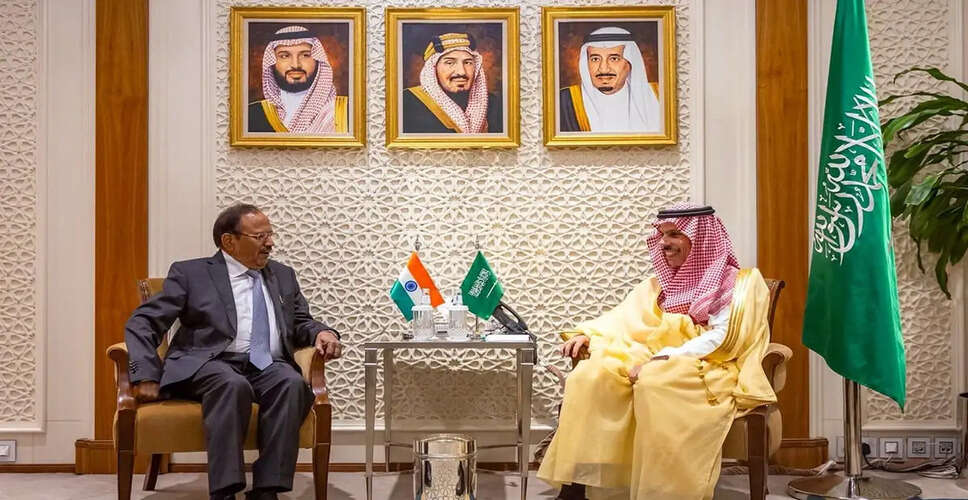
Amid rapidly evolving circumstances in West Asia and Africa, the strategic activities of India, Pakistan, and Saudi Arabia appear increasingly interconnected. The recent visit of India's National Security Advisor, Ajit Doval, to Saudi Arabia coincides with Pakistan's decision to halt a significant arms deal with Sudan, highlighting shifts in regional power dynamics. Reports indicate that Pakistan has postponed a $1.5 billion agreement to supply weapons and fighter jets to Sudan. This decision came after Saudi Arabia withdrew its financial backing for the deal, signaling Pakistan to terminate the agreement. Initially, this deal was nearing completion, with Saudi Arabia acting as a mediator, but it later altered its strategy.
Impact on Pakistan's Defense Exports
This development is seen as a major setback for Pakistan, which was aiming to expand its defense exports. The ongoing conflict in Sudan between the military and the Rapid Support Forces has created a severe humanitarian crisis over the past three years. This conflict has evolved beyond internal strife, now involving competition from external powers. Sudan's strategic importance is heightened due to its location along the Red Sea and its status as a significant gold producer.
Role of Saudi Arabia and UAE
The roles of Saudi Arabia and the United Arab Emirates (UAE) are also crucial in this context. Both nations are perceived to be aligned with different factions in Sudan. While Saudi Arabia has close ties with the Sudanese military, the UAE has faced accusations of providing logistical support to the Rapid Support Forces, which it has consistently denied. Saudi Arabia's withdrawal from the arms deal suggests a desire to distance itself from direct or indirect conflicts in Africa.
Western Influence on Saudi Decisions
Reports indicate that several Western nations have advised Saudi Arabia to avoid proxy conflicts in Africa. Following a meeting in Riyadh between Sudanese military officials and Saudi authorities in March, the decision to terminate funding for the arms deal was made.
Broader Implications Beyond Sudan
The ramifications of this situation extend beyond Sudan. A proposed $4 billion defense agreement between Pakistan and Libya is now also in jeopardy. This suggests that Saudi Arabia is reassessing its regional strategy and may distance itself from activities that could entangle it in complex conflicts.
India's Strategic Interests
On the other hand, Ajit Doval's visit to Saudi Arabia is deemed highly significant for energy security. Rising tensions around the Strait of Hormuz have raised concerns about global oil supply. A substantial portion of India's oil imports comes from Gulf nations, meaning any disruption could directly impact the Indian economy. Doval's discussions with Saudi leadership covered bilateral relations, regional conditions, and future challenges.
A Shift Towards Strategic Realignment
Overall, this series of events points towards a significant strategic realignment. Saudi Arabia is attempting to balance its regional interventions, Pakistan is facing new obstacles in its defense export ambitions, and India is focused on securing its interests through energy security and diplomatic engagement. This situation reflects a multipolar competition and a shifting balance of power, with each nation adopting new strategies to safeguard its interests. The consequences of these decisions are likely to be felt not only regionally but also on a global scale.