
Shifting Dynamics in the Strait of Hormuz: Iran's Growing Influence

Introduction to the New Reality
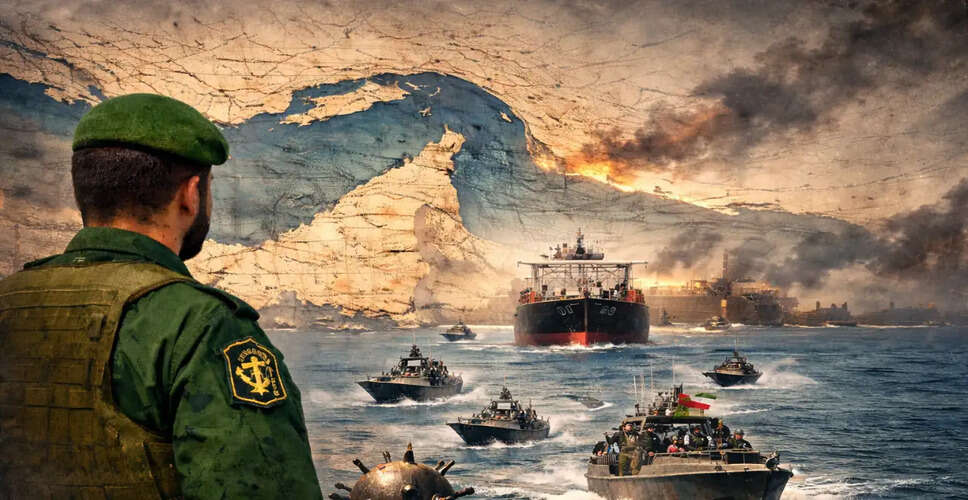
For many years, the United States and its allies have depended on diplomatic efforts, secret negotiations, and sanctions to manage Iran's nuclear aspirations. However, following a month-long conflict involving US-Israeli forces, the strategic landscape may have altered significantly, granting Tehran increased leverage over the Strait of Hormuz. The closure of this vital waterway just a day after US President Donald Trump declared a two-week ceasefire serves as a clear indication of this shift.
The Importance of the Strait of Hormuz
The Strait of Hormuz - Why It's Crucial For The World
The Strait of Hormuz is a critical maritime passage that facilitates the transport of approximately 20% of the globe's oil and gas supplies. This narrow channel connects the Persian Gulf to the Arabian Sea and is situated between Iran and Oman, as well as the United Arab Emirates. Prior to the onset of the US-Israel-Iran conflict on February 28, the Strait was regarded as an international waterway. However, following the ceasefire, Iran seems to be positioning itself as the primary authority over this shipping route. Reports suggest that Iran may be collaborating with Oman to establish a joint monitoring system and a toll collection framework.
Ceasefire and Its Implications
Ebtesam Al‑Ketbi, president of the Emirates Policy Centre, remarked, "This ceasefire is not a solution; it is a test of intentions." He emphasized that unless this ceasefire leads to a broader agreement that redefines engagement rules in Hormuz and other proxy areas, it may merely serve as a temporary pause before further escalation. A full-scale naval blockade is not necessary to close the Strait; even minor anti-ship missile strikes or drone attacks could render the shipping lanes perilous, halting traffic almost instantly, as evidenced in Hormuz.
Iran's Control Over the Strait
Is Iran Formalising Control Over The Strait of Hormuz?
Iran appears to be solidifying its authority over the Strait of Hormuz. The Iranian Foreign Minister has stated that "safe passage through the Strait of Hormuz will be possible via coordination with Iran’s Armed Forces." Additionally, Iran has introduced an alternative shipping route in the Strait, advising vessels to coordinate with its naval forces to avoid potential sea mines. The Islamic Revolutionary Guard Corps Navy has specified designated entry and exit paths for ships transiting the strait.
According to the announcement: Entry: From the Sea of Oman to the north of Larak Island, and then continuing towards the Gulf. Exit: From the Gulf and passing south of Larak Island, and then continuing towards the Sea of Oman.Future Prospects and Concerns
In its ceasefire proposal, Iran included a provision allowing both Tehran and Muscat to impose transit fees on ships navigating through the Strait of Hormuz, with the funds intended for post-war reconstruction. Meanwhile, Trump has expressed intentions to establish a "joint venture" with Iran to set up tolls in the Strait following the ceasefire agreement. During a press briefing, White House spokeswoman Karoline Leavitt stated that Trump's priority is to reopen Hormuz without restrictions, although she did not dismiss the possibility of a future where Iran and the US share toll revenues.
Conclusion: The Stakes in the Gulf
The Red Line For Gulf
The United States, Israel, and Iran reached a two-week ceasefire agreement, with US and Iranian officials set to engage in discussions aimed at a long-term resolution. While halting hostilities is essential, ensuring unrestricted access to Hormuz remains a critical concern, particularly for nations in West Asia. For Gulf states that depend on Hormuz for oil exports, the Strait represents a crucial boundary, as noted by Saudi analyst Ali Shihabi. He warned that any outcome that effectively places the waterway under Iranian control would be a setback for President Trump, potentially leading to increased energy prices ahead of the midterm elections.