
Shehbaz Sharif's Ceasefire Post Sparks Controversy Amid US-Iran Tensions
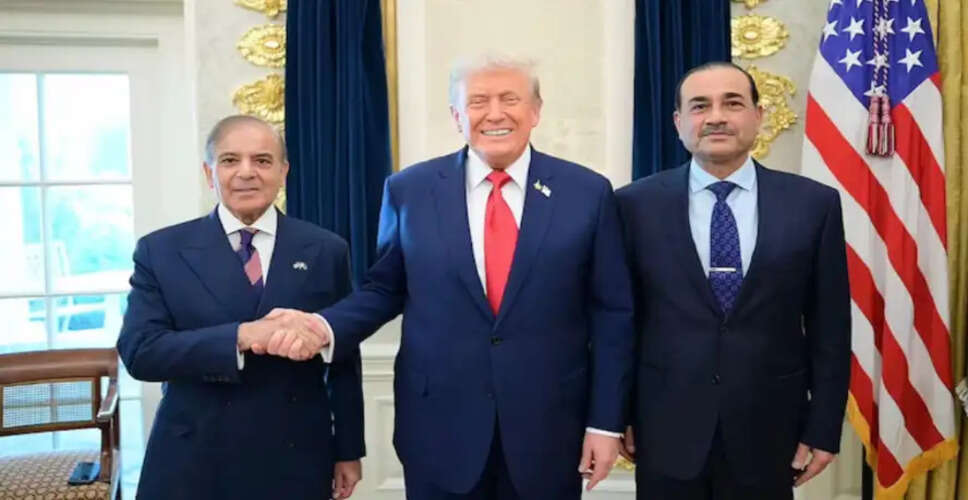

Controversy Surrounds Ceasefire Proposal
A significant controversy has emerged regarding Shehbaz Sharif's recently modified post about a ceasefire related to the Iran conflict. As reported by a major news outlet, the White House was aware of Sharif's social media announcement advocating for a ceasefire between the United States and Iran prior to its public release. On Tuesday afternoon, Sharif shared on X that diplomatic efforts were 'progressing steadily, strongly, and powerfully,' while urging Trump to extend his 8 pm deadline by an additional two weeks. He also called for a temporary ceasefire and requested Iran to reopen the Strait of Hormuz, positioning it as a crucial step towards long-term stability in the region. A source familiar with the situation indicated that the White House had already reviewed and approved the statement before it was posted, suggesting that diplomatic efforts were more active than the public narrative indicated.
Was the Message Drafted by Trump?
Despite the unfolding events, the White House has refuted claims that Donald Trump personally crafted the message, even as scrutiny turned to the post's editing history. This revelation implies that while Trump was publicly issuing stern warnings, including threats of escalation if Iran did not comply, US officials may have been simultaneously working behind the scenes to forge a diplomatic resolution. The post attracted attention after it was briefly visible online with the title 'Draft – Pakistan’s PM Message on X,' raising questions about whether it had undergone external vetting or scripting. The Pakistani embassy has yet to respond to inquiries regarding this matter.
In the meantime, Iran has once again closed the Strait of Hormuz in reaction to Israeli strikes in Lebanon. The White House has called for the reopening of this vital channel and is striving to maintain momentum in peace negotiations. Both the US and Iran have claimed success following their agreement, and global leaders have expressed relief, even as drone and missile attacks continue to impact Iran and Gulf Arab nations.