
Shashi Tharoor Praises Unveiling of Rajagopalachari Statue Amid BJP Criticism
Tharoor's Praise and BJP's Response
On Tuesday, Congress MP Shashi Tharoor expressed his admiration for the unveiling of the statue of Chakravarti Rajagopalachari, affectionately known as Rajaji, at the Central Courtyard of the Presidential Palace. Shortly after, the BJP seized upon Tharoor's commendation to target the Congress party, asserting that the party opposed this initiative. In a post on social media, BJP spokesperson Shehzad Poonawalla lamented that some within Congress prioritize Lutyens over Rajaji, foreign over indigenous, and colonial over Indian.
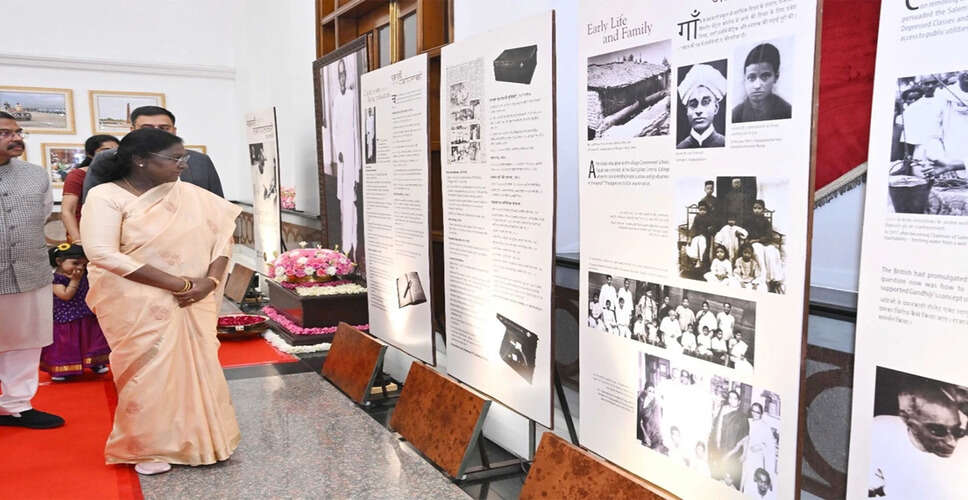
Tharoor reacted to Prime Minister Narendra Modi's post, commending Rajaji's support for liberal economics and free enterprise, emphasizing that his values were far removed from 'communal extremism.' He noted with regret that very few individuals today follow in Rajaji's footsteps. The statue of Chakravarti Rajagopalachari, the first and only Indian Governor-General of independent India, was unveiled by President Droupadi Murmu on Monday, replacing the statue of British architect Edwin Lutyens.
Diverse Opinions on the Statue's Replacement
In his post, Poonawalla also referenced criticism from People's Democratic Party (PDP) leader Iltija Mufti regarding this decision, indicating that differing opinions reveal a division within Congress and the India bloc concerning Lutyens. Mufti had reacted to a post by a descendant of Lutyens, who expressed disappointment over the statue's removal. Matt Ridley shared an old photo with Lutyens' statue, stating his sadness over its removal from the Presidential Palace designed by his ancestor, questioning why his name was taken off the plinth.
In response, Iltija Mufti raised concerns about the removal of Lutyens' statue, criticizing the ongoing obsession with erasing India's colonial past. She questioned how perpetuating this misplaced anger towards history benefits India, referring to it as a 'colonial hangover.' Mufti emphasized that Lutyens played a significant role in shaping modern Delhi, asserting that one cannot erase heritage or history by removing statues and plaques, as many architectural marvels in India are rooted in British and Mughal influences.