
Sharjeel Imam Denies Allegations of Conspiracy with Umar Khalid in Delhi Riots Case
Court Proceedings on Delhi Riots Case
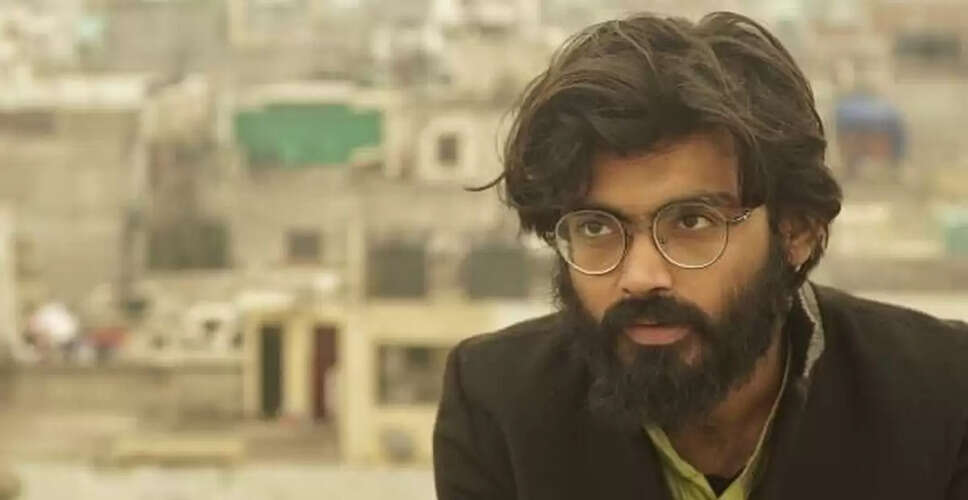
On Thursday, activist Sharjeel Imam addressed a court, refuting claims made by the Delhi Police that Umar Khalid, his co-accused in the alleged conspiracy related to the 2020 Delhi riots, is his mentor. Imam described these allegations as untrue, as reported by a legal news outlet.
This statement was presented before Additional Sessions Judge Sameer Bajpai at Karkardooma Courts, where discussions regarding the framing of charges are ongoing.
Imam asserted that he had never interacted with Khalid during their five years at Jawaharlal Nehru University, according to another legal news source.
Both activists were detained between January and September 2020 in connection with the communal violence that erupted in North East Delhi in February 2020, which involved clashes between supporters and opponents of the Citizenship Amendment Act. The unrest resulted in 53 fatalities and numerous injuries, predominantly affecting the Muslim community.
The charges against them include violations of the Unlawful Activities Prevention Act, the Prevention of Damage to Public Property Act, the Arms Act, and various sections of the Indian Penal Code.
Authorities have alleged that the violence was orchestrated as part of a broader conspiracy aimed at discrediting the Narendra Modi administration, purportedly planned by those who organized protests against the amended Citizenship Act.
During the court session, Imam's attorney emphasized the lack of any connection between Imam and Khalid.
"Throughout my five years at JNU, I never had a conversation with Umar Khalid," Imam stated. "I am unaware of any supposed coordination they [the police] are referencing."
To prove a conspiracy, Imam argued, it is essential to demonstrate that an agreement existed between the parties involved. "However, they have not provided any evidence of such an agreement," he contended.
His lawyer challenged the assertion that Khalid had directed Imam.
"There is only one instance where Umar and I are seen together," Imam noted. "Yet, even the witness testimony from that occasion indicates that there was no talk of violence."
Earlier this week, the Supreme Court denied bail to both Imam and Khalid, while granting bail to five other individuals implicated in the case: Gulfisha Fatima, Meeran Haider, Shifa-ur-Rehman, Shadab Ahmed, and Muhammad Saleem Khan.
The court stated that Khalid and Imam could apply for bail after all protected witnesses have been examined or after a year has passed.
The bench characterized the two as "masterminds" and indicated that the evidence available suggested a "prima facie case" against them under anti-terrorism legislation.