
Severe Wildfire Risks Loom Over Fourth of July Celebrations in the U.S.

Dangerous Conditions for Independence Day
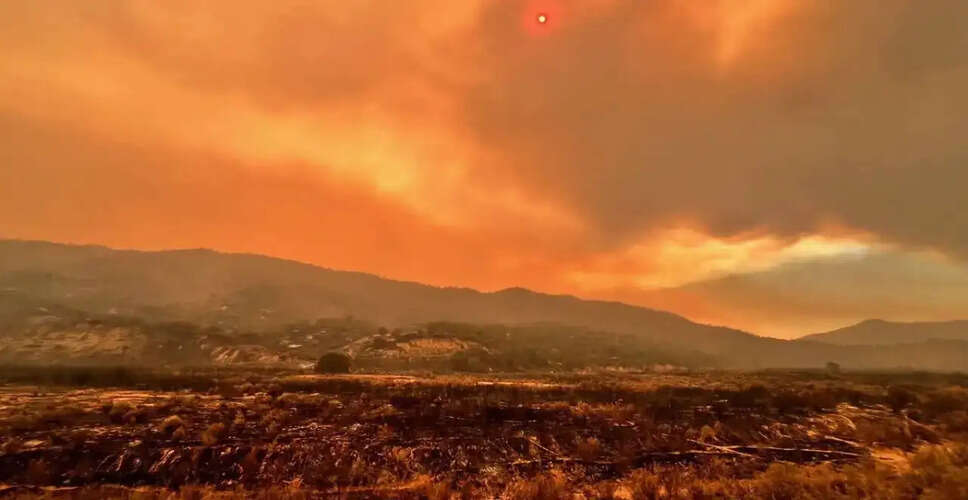
The combination of fireworks and dry weather poses significant risks this Fourth of July weekend across the United States. With extreme temperatures, widespread drought, and an already active wildfire season, the holiday could become a critical point for fire outbreaks. As of June 30, the area affected by wildfires this year has reached 157% of the average over the past decade. A total of 36,262 wildfires have been reported, equating to 133% of the typical figure, according to the National Interagency Fire Center's July report. Currently, at least 49 large fires are raging across 13 states, with Utah experiencing over 300,000 acres burned this season alone. The Cottonwood Fire has consumed more than 92,000 acres, marking it as one of the largest wildfires in the nation right now, alongside two other significant fires near Eureka that have burned approximately 70,000 acres.
Current High-Risk Areas
Where It's Most Dangerous Right Now
The Four Corners region and the Great Basin are currently facing some of the most severe fire conditions in the country. Factors such as gusty winds, low humidity, dry thunderstorms, and extremely dry vegetation are contributing to the rapid spread of new fires in these areas. Red flag warnings were issued on Friday for parts of Utah, Colorado, and New Mexico. According to the U.S. Drought Monitor, Colorado, Utah, New Mexico, Nevada, and Oregon are experiencing significant moisture deficits in their topsoil. Mandatory evacuation orders have already been implemented in certain regions of Utah and Colorado due to ongoing wildfires. Meanwhile, Florida is grappling with an unusually active wildfire season fueled by widespread drought.
Record Heat Compounding the Situation
Record Heat Making Everything Worse
The National Weather Service has issued warnings about dangerous, record-setting heat affecting the central and eastern United States, with the most extreme temperatures expected to escalate through the holiday weekend. Heat indexes could reach as high as 115°F in some regions, with Washington, D.C., predicted to hit 105°F or more. Such high temperatures rapidly dry out vegetation, turning fields, forests, and hillsides into potential fuel for any spark.
Fireworks Restrictions Increasing
Fireworks Bans Spreading
In response to these conditions, various counties and cities across the nation are implementing restrictions or outright bans on fireworks. Areas in the Nebraska Panhandle, New Mexico, and Colorado Springs have enacted bans, while several counties in Florida are under burn restrictions that limit bonfires, trash burning, and fireworks. Utah has taken a more comprehensive approach by instituting statewide fireworks restrictions.
Long-Term Trends in Wildfire Risks
The Bigger Picture
This situation is not merely a one-off occurrence. Scientists and federal agencies have been observing a long-term trend. The National Oceanic and Atmospheric Administration (NOAA) attributes climate change—characterized by rising temperatures, prolonged droughts, and what it terms a "thirsty atmosphere"—as a significant factor contributing to the increasing wildfire risks in the western U.S. over the past two decades. The National Climate Assessment, mandated by Congress, has similarly concluded that wildfires in the West have become larger, hotter, more destructive, and deadlier over time.