
Severe Smog Disrupts Flights and Air Quality in Delhi
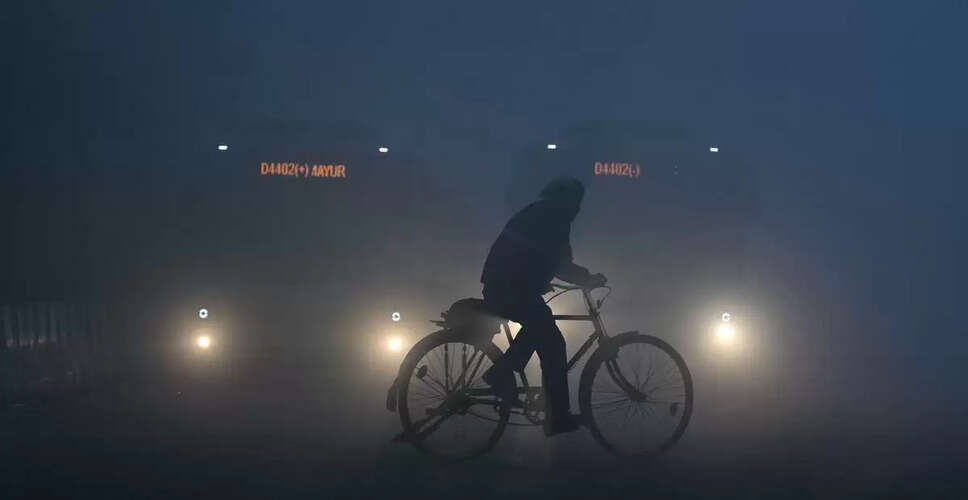
Impact of Dense Smog on Flights
On Monday, flights in the National Capital Region and northern India faced significant disruptions due to heavy smog.
According to the Sameer application, the air quality in Delhi was classified as “severe,” with 22 out of 37 monitoring stations reporting Air Quality Index (AQI) levels exceeding 400 as of 8:05 AM.
The average AQI for the national capital was recorded at 402, based on hourly updates from the Central Pollution Control Board.
Flight Delays and Cancellations
Low Visibility Disrupts Flights
By 9 AM, the Delhi airport announced that “dense fog” could lead to delays and cancellations, advising travelers to verify their flight status with airlines.
On the same day, an Air India Express flight traveling from Goa to Delhi was redirected to Ahmedabad.
IndiGo Airlines reported that foggy conditions were affecting operations in Delhi and other northern airports, warning that if visibility issues continued, flight schedules might be disrupted throughout the day.
The airline also noted that dense fog in Jammu was impacting flights to and from that city, indicating that some services might face delays or cancellations based on operational conditions.
Hazardous Air Quality Levels
‘Severe’ AQI in NCR
Surrounding cities also reported alarming air quality levels, with Noida recording an AQI of 416 and Greater Noida at 406. Ghaziabad was categorized as “very poor” with an AQI of 398, while Gurugram had an AQI of 326.
An AQI reading between 301 and 400 indicates “very poor” air quality, while levels from 401 to 450 signify “severe” pollution.
Such severe AQI levels indicate hazardous conditions that can pose serious health risks even to individuals without pre-existing health issues.
Recent Air Quality Management Actions
VIDEO | Delhi wakes up to a dense blanket of smog choking the National Capital.
— Press Trust of India (@PTI_News) December 29, 2025
Visuals from the AIIMS Flyover show traffic crawling through the haze, as air quality plunges into the 'very poor' and 'severe categories', shrouding the city in a murky winter grip.#DelhiSmog… pic.twitter.com/Z4HXmCWbvL
On Wednesday, the Commission for Air Quality Management lifted Stage 4 restrictions under the Graded Response Action Plan in the National Capital Region after improvements in air quality.
These restrictions had been implemented on December 13 when air quality deteriorated to the “severe plus” category.
The Graded Response Action Plan (GRAP) consists of a series of escalating measures aimed at curbing pollution once air quality reaches critical levels in the Delhi-NCR region.
During winter, air quality in Delhi often worsens, making it one of the most polluted capitals globally. Factors contributing to this include stubble burning in nearby states, vehicle emissions, firecracker usage during festivals, lower temperatures, reduced wind speeds, and industrial emissions.