
Severe Sand Deposits Devastate Agriculture in Lakhimpur District
Impact of Flooding on Agriculture
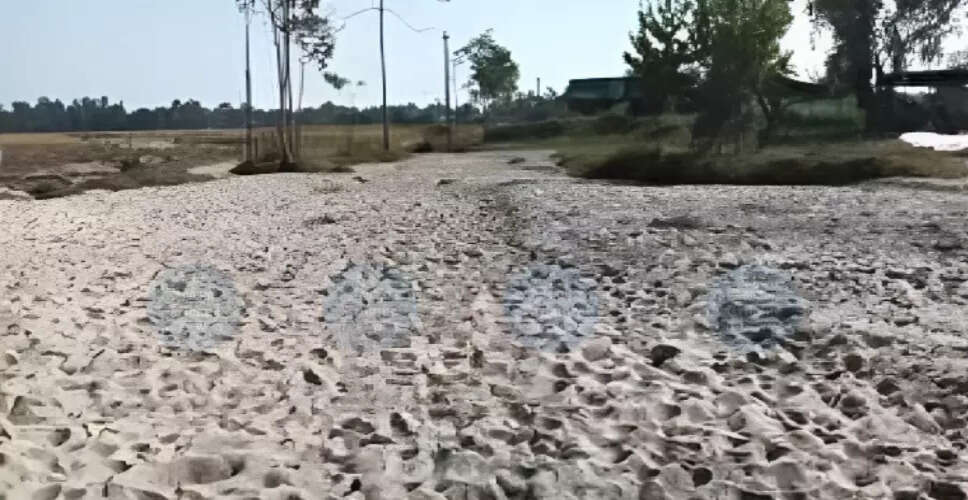
North Lakhimpur, Dec 19: Once fertile agricultural lands in the western regions of Lakhimpur district have been transformed into barren fields due to extensive sand deposits. These areas, which border Biswanath district, are now unrecognizable.
During this harvesting season, the croplands that should be bustling with activity appear desolate, as thick layers of sand from the overflowing Sesa River have smothered the paddy fields following the last monsoon.
Villages such as No. 1 Sesa, No. 2 Sesa, Sesa-Rangajan, Panigaon, Phutabhog, and Khalihamari, located within the Narayanpur revenue circle, have been severely impacted by the sand accumulation that occurred in May and June.
This year, agricultural output in these flood-affected villages has plummeted to zero, as the sand has rendered the fields unsuitable for paddy cultivation.
The dire situation has plunged thousands of villagers into economic distress, as they are unable to harvest any crops this season, leading to widespread despair.
Residents attribute the extensive sand deposits to the absence of flood protection measures on the left bank of the Sesa River.
They argue that the construction of an embankment on the right bank by the Water Resources department in Biswanath district has redirected floodwaters towards the eastern bank, impacting the villages in western Lakhimpur.
While the geo tube and sluice gate embankment on the right bank effectively shielded Biswanath district from this year's monsoon floods, the left bank remained vulnerable, resulting in significant flooding in Lakhimpur during late May.
The sand accumulation has not only devastated agricultural lands but has also damaged infrastructure, including roads, schools, and community centers. The roads within these villages remain in poor condition, hindering vehicle movement. The Srimanta LP School and the namghar in Sesa-Rangajan village have also suffered from the thick sand layers.
In light of these challenges, the affected villagers are calling for a permanent flood control solution from state agencies before the next monsoon season arrives.