
Severe Flooding Threats Across Multiple States: Flash Flood Warnings Issued

Severe Weather Alerts Issued
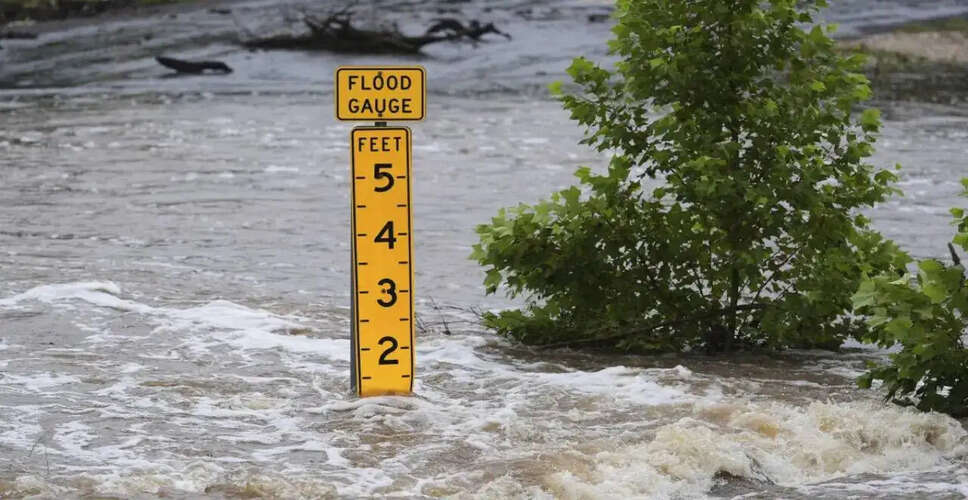
On Wednesday, dangerous flooding conditions are emerging in various regions, prompting the National Weather Service to issue flash flood warnings for counties in Georgia, New Jersey, and Pennsylvania as intense thunderstorms sweep through. Residents in these areas are advised to avoid road travel unless absolutely necessary.
Atlanta, Georgia: Flooding in Downtown Areas
In Georgia, Fulton and DeKalb counties are under a flash flood warning effective until 11 p.m. Wednesday. Storms began impacting the Atlanta region around 4 p.m., leading to significant rainfall and subsequent flooding on major thoroughfares. Reports indicate that sections of the Downtown Connector near Freedom Parkway and parts of North Avenue at Argonne are submerged. Additionally, multiple traffic incidents are complicating commutes, urging residents to refrain from traveling unless evacuating from flood-prone zones.
New Jersey and Pennsylvania: Heavy Rainfall Expected
To the north, the National Weather Service in Mount Holly issued a flash flood warning at 5:40 p.m. covering a broad area of southern New Jersey and southeastern Pennsylvania. This warning affects counties including Burlington, Camden, and Gloucester in New Jersey, as well as Bucks, Delaware, Montgomery, and Philadelphia counties in Pennsylvania, lasting until 9:45 p.m. Meteorologists have detected severe thunderstorms via Doppler radar, predicting rainfall rates of one to two inches per hour, with an additional half inch to one and a half inches possible before the storm subsides. Areas specifically mentioned in the warning include Philadelphia, Camden, Gloucester City, and several others, where flooding of streets and low-lying areas is either occurring or imminent. The NWS emphasizes the importance of safety, advising, "Turn around, don't drown when encountering flooded roads. Most flood-related fatalities occur in vehicles."
Understanding Flash Floods
Flash floods are among the most perilous weather phenomena due to their rapid onset. They can develop within six hours of heavy rainfall or following a dam or levee failure. The force of the water can uproot trees, collapse structures, and trigger mudslides. Notably, flash floods can affect areas that are not experiencing rain, as upstream stormwater can surge into these regions unexpectedly.
Flood Watch vs. Flash Flood Warning
It's crucial to understand the difference between a flood watch and a flash flood warning. A flood watch indicates that conditions may lead to flooding, serving as a precautionary alert. In contrast, a flash flood warning signifies that a flash flood is either occurring or imminent. If you receive a warning while in a flood-prone area, it is vital to seek higher ground immediately.
Safety Measures to Follow
If you reside in any counties under a flash flood warning, emergency managers advise the following: evacuate if instructed, stay updated via a battery-powered radio or television, and avoid walking through floodwaters, even if they appear shallow. Just six inches of moving water can knock a person down, while two feet can sweep away a vehicle. Move to higher ground, be cautious of fire hazards, and keep children away from floodwaters, which may hide dangerous debris. Ensure your weather alerts are activated to receive timely updates as conditions evolve.