
Severe Flooding in Afghanistan Causes Widespread Destruction
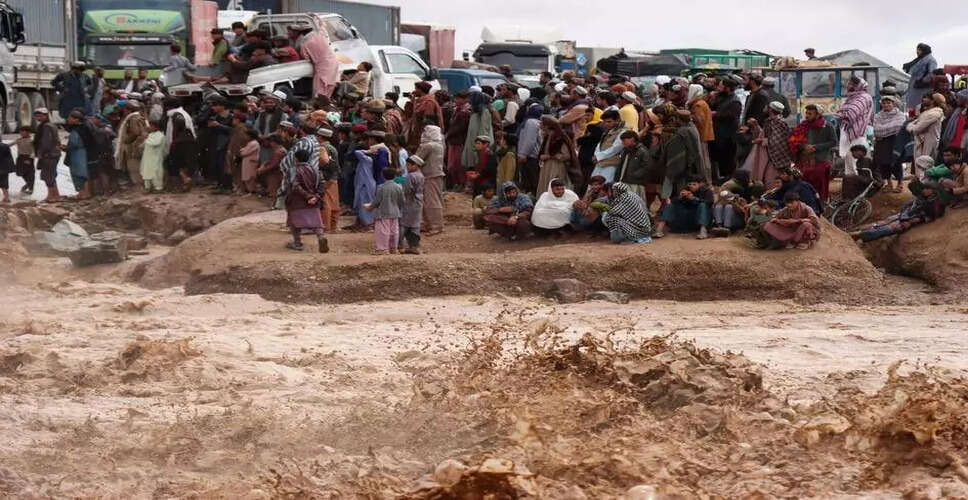

Impact of Recent Flooding in Afghanistan
Photo: @DaryoEng/X
Kabul, April 10: Afghanistan has faced significant destruction due to severe flooding over the last two weeks, as reported by Tolo news, referencing the United Nations.
The intense rainfall and subsequent flooding, which occurred between March 26 and April 6, have severely impacted numerous provinces, submerging hundreds of villages. The disaster has affected over 73,000 individuals.
More than 9,000 residences have been damaged, and over 15,500 acres of farmland have been devastated, raising alarming concerns regarding food security in the impacted areas. Additionally, the loss of over 500 livestock has worsened the situation for rural families reliant on agriculture and animal husbandry, according to reports from Xinhua.
On April 7, a tragic incident in Khost province resulted in the deaths of three women and injuries to two children when a wall collapsed due to heavy rainfall and flash floods.
Mustaghfar Gurbaz, a spokesperson for the local Governor, stated that the collapse occurred in Gingini village, Maton area, after the wall's structure weakened from the recent rains. The injured children were transported to a nearby health facility for treatment, as reported by Pajhwok Afghan News.
In another incident on April 7, local officials reported that at least 10 individuals lost their lives and six others were injured due to roof collapses in Nangarhar province caused by heavy rains. The regions most affected include Jalalabad, Sherzad, Khogyani, Haska Mina, and Angoor Bagh, according to Ariana News.
As of Monday, officials indicated that at least 110 people had died and 160 were injured due to heavy rains, flash floods, landslides, lightning strikes, and house collapses over the past 12 days. Authorities also reported that seven individuals are still missing, and new rainfall forecasts have raised concerns that the death toll may increase, as noted by Khaama Press.
Authorities revealed that 958 homes were completely destroyed, while an additional 4,155 were partially damaged, leaving thousands of families in urgent need of shelter and assistance. Furthermore, over 325 kilometers of roads have been affected, along with significant losses to businesses, farmland, irrigation systems, and drinking water sources.