
Severe Cold Wave Hits Northern India with Record Low Temperatures
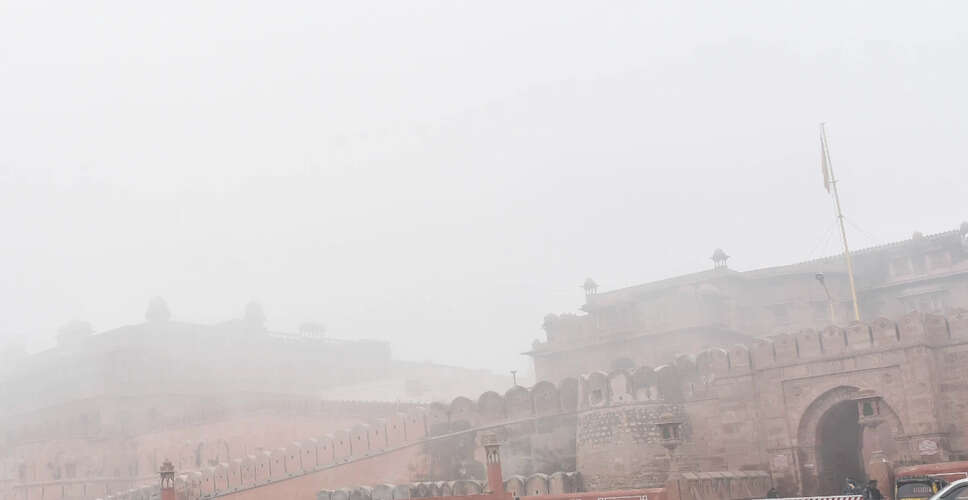
Extreme Cold Conditions in Northern India
Amidst the ongoing severe cold in Northern India, certain regions in Rajasthan have reported temperatures dropping below zero, while Delhi recorded a minimum temperature of 2.9 degrees Celsius for the first time this year.
The India Meteorological Department (IMD) has indicated that the harsh cold is expected to persist over the coming days, potentially leading to severe cold wave conditions in various parts of Northern India.
In Himachal Pradesh, Jammu and Kashmir, and Uttarakhand, temperatures have also fallen below freezing, with Punjab and Haryana experiencing temperatures around the freezing point.
Local meteorological offices have noted that different areas in Rajasthan have recorded conditions ranging from cold wave to severe cold wave. In Pratapgarh, the minimum temperature was noted at two degrees Celsius below zero, while Barmer recorded a minimum of one degree Celsius below zero.
Delhi has experienced its first cold wave of the season, with temperatures dipping below 3.0 degrees Celsius in some areas. Ayanagar was the coldest spot, registering a minimum temperature of 2.9 degrees Celsius, while Palam station recorded its lowest minimum temperature in 13 years at 3.0 degrees Celsius.
According to IMD data, the minimum temperature at Delhi's main weather station, Safdarjung Observatory, was recorded at 4.8 degrees Celsius, which is 2.6 degrees lower than the seasonal average, while the maximum temperature reached 18.8 degrees Celsius, 1.1 degrees below normal. The IMD has issued a 'Yellow Alert' indicating that similar conditions are expected to continue for the next two days.