
Senator Lindsey Graham Predicts US-Iran Deal Will Fail, Warns of Military Action
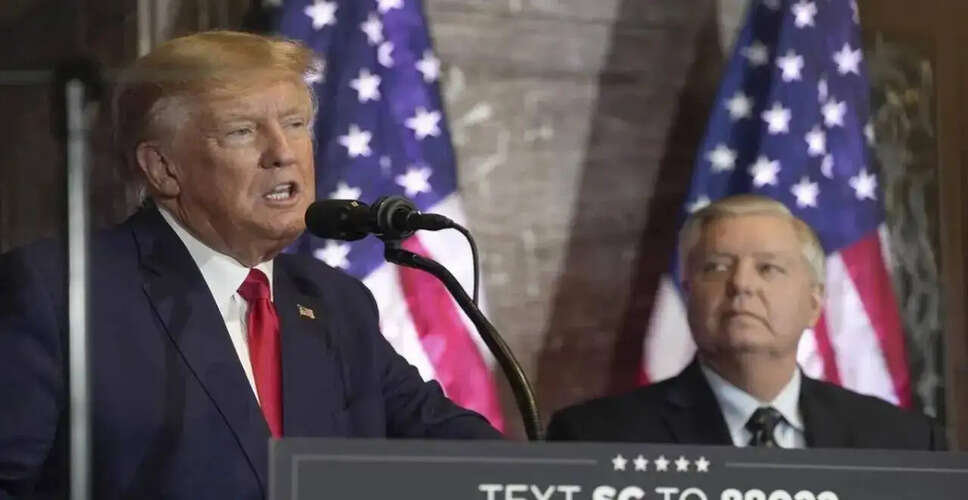

Graham's Stark Warning on US-Iran Relations
Senator Lindsey Graham has expressed strong doubts about the viability of the recent agreement between the United States and Iran, suggesting that President Trump is ready to take military action if the negotiations falter. During an interview with CBS News's Margaret Brennan on "Face the Nation," Graham stated unequivocally, "If you don't have a diplomatic path through the MOU, then you have to go to war, or some other form of coercion," referring to the memorandum of understanding established between the two nations. He further emphasized his skepticism, stating, "Let's try this, let's try a diplomatic solution. I think it's going to fail."
Consequences of Failed Diplomacy
Graham warned that if the diplomatic efforts collapse, Trump would not hesitate to act decisively. He suggested that the President might seize control of the Strait of Hormuz and impose fees for passage. His comments followed Trump's earlier warnings to Iran regarding its use of Hezbollah to attack Israel, with Graham reiterating, "When you use Hezbollah to attack Israel, I think the new policy will be, 'We will attack Iran.'"
Graham's Evolving Views on Iran's Funding
In a shift from his previous stance, Graham discussed the $300 billion fund designated for Iran's reconstruction, which he had previously criticized. He had likened it to providing the Marshall Plan to Germany while the Nazis were still in power. However, he now believes that if the funding comes from Gulf states like Saudi Arabia, Qatar, and the UAE, it could indicate a change in Iran's behavior. Despite this, he remains doubtful that the amount would suffice for Iran's reconstruction or foster genuine partnerships with Gulf nations.
Trump's Rejection of Funding Reports
Trump has previously dismissed claims regarding the $300 billion fund as "fake news," asserting that the US would not finance it. At the G7 summit in Évian-les-Bains, he stated that other countries could choose to invest in Iran independently, clarifying, "We are not investing in it, and we do not have a fund." He also mentioned that the US had not requested Gulf nations to invest in Iran.
Current Status of US-Iran Negotiations
Negotiations concerning Iran's nuclear program commenced on Sunday in Switzerland, shortly after both nations signed the memorandum of understanding, which establishes a 60-day period to assess the future of Iran's nuclear ambitions and finalize an agreement.