
Senate Approves Immigration Funding Amid Controversy Over Settlement Fund

Senate Passes Immigration Enforcement Funding Bill
In a significant move early Friday, the Senate approved a bill aimed at funding President Donald Trump's immigration enforcement agencies, following weeks of delays and intense opposition regarding a $1.776 billion settlement fund that nearly derailed the legislation. The Senate voted 52-47 in favor of the $70 billion bill, which will finance Immigration and Customs Enforcement (ICE) and Border Patrol for the next three years, extending through the end of Trump's presidency. This funding had been stalled by Democrats for several months. The bill is now set to be reviewed by the House next week.
The final vote occurred just before 5 a.m., after Republicans successfully overcame multiple attempts from both parties to include provisions that would permanently eliminate Trump's settlement fund for individuals claiming political persecution. Republicans faced a major challenge overnight when they rejected an amendment from Louisiana Senator Bill Cassidy, which aimed to redirect settlement payments to law enforcement officers injured during the January 6, 2021, Capitol riot, where Trump supporters attempted to overturn the 2020 election results.
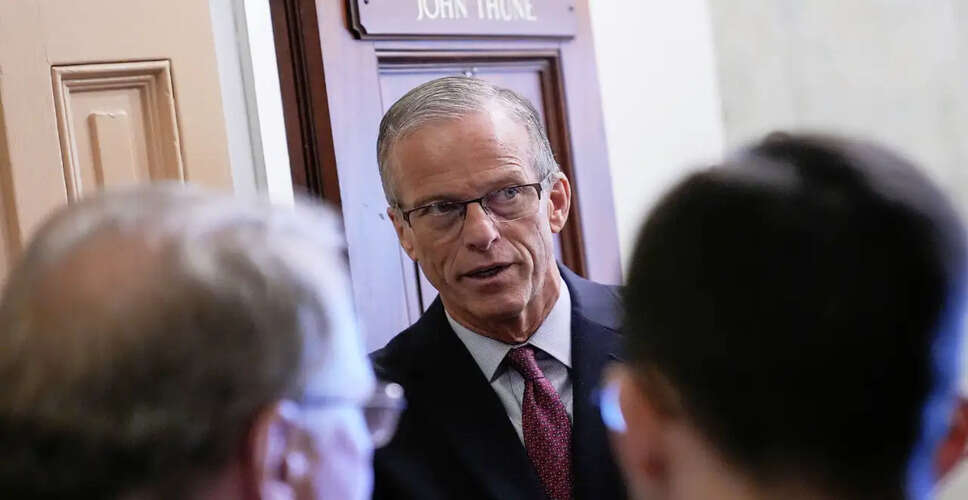
These amendments tested party unity and complicated what should have been a straightforward vote for Republicans focused on immigration enforcement during an election year. Senate Majority Leader John Thune expressed frustration, stating that the process could have concluded much earlier if not for the contentious issues surrounding the settlement fund. Thune has criticized the fund, which is linked to a settlement resolving Trump's lawsuit against the IRS regarding the leak of his tax returns, a matter that has caused discontent among many GOP members.
Despite the internal conflicts, a faction of Republican senators continued to push for legislation to block the fund's payouts. This push intensified after Trump expressed uncertainty about the fund's status, calling it 'very important.' The final vote reflected a near party-line division, with only Senator Lisa Murkowski of Alaska voting against it, while Democratic Senator Michael Bennet of Colorado was absent.
Senate Rejects Attempts to Ban Settlement Fund
On Thursday morning, the Senate held a vote on a Democratic proposal to ban the settlement fund, which was kept open for several hours as Cassidy and two other Republican senators deliberated their positions. The motion was narrowly defeated when Cassidy ultimately voted against it, while Senators Jon Husted of Ohio and Dan Sullivan of Alaska, both facing reelection, supported it. The Senate also dismissed a second amendment from Senator Thom Tillis of North Carolina that sought to ban the fund but redirect the money to an anti-fraud initiative at the Department of Justice. Most Democrats opposed this amendment, leading to its defeat despite support from over ten Republicans.
Tillis argued that the fund poses a political risk for the party, suggesting that if the acting Attorney General deems it largely inactive, it would be prudent to codify that status. Cassidy's amendment aimed at compensating injured police officers was particularly contentious, as funds from Trump's settlement could potentially benefit those who assaulted law enforcement during the Capitol riot. Cassidy, who lost his reelection bid after Trump's endorsement of a primary challenger, maintained that the fund remains an active settlement.
The Senate also rejected several Democratic attempts to limit or block the fund, including measures to prevent payments to individuals involved in the January 6 incidents. Senate Minority Leader Chuck Schumer criticized Republicans for leaving taxpayers reliant on assurances from Trump's associates, calling it a lack of accountability.
The passage of the bill to fund ICE and Border Patrol would conclude a prolonged standoff by Democrats, who had sought policy changes following the fatal shootings of two protesters by federal agents in January. Senate Republicans employed a complex procedural strategy to bypass the filibuster and pass the budget without Democratic votes. However, the bill's journey to the Senate floor faced numerous hurdles, including Trump's proposals for White House security funding and bipartisan backlash against the settlement fund.
Democrats argue that any funding for the Department of Homeland Security should come with restrictions on federal immigration authorities, advocating for better identification protocols for federal officers and increased use of judicial warrants. Following the shootings of Renee Good and Alex Pretti in Minneapolis, Trump agreed to separate the Homeland Security bill from a larger spending package. However, bipartisan negotiations stalled, leading to a lapse in funding for ICE and Border Patrol since mid-February.