
Security Concerns Emerge in Major Hydroelectric Project in Jammu and Kashmir
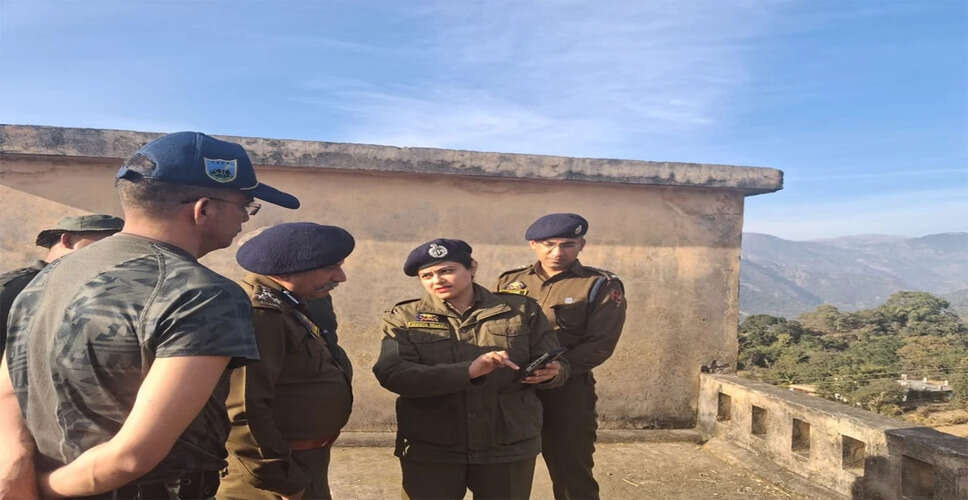
Serious Security Issues Identified in Hydroelectric Project
A recent police verification campaign has unveiled significant security concerns within a key infrastructure project in the country. In the ongoing construction of the Ratle Hydroelectric Project located in Kishtwar, Jammu and Kashmir, it was discovered that 29 workers had connections to terrorism or a criminal background. Following this revelation, the district police issued a warning to the company overseeing the project. This disclosure has sparked a political uproar and raised questions regarding the security checks of strategically sensitive establishments in Jammu and Kashmir. In a letter sent on November 1, the Senior Superintendent of Police (SSP) of Kishtwar informed Megha Engineering and Infrastructure Limited (MEIL) that five employees were linked to active terrorists, overground workers (OGWs), or surrendered militants, while 24 others had pending criminal cases against them.
High-Risk Target Due to Strategic Importance
The 850-megawatt hydroelectric project on the Chenab River in Drabshala, Kishtwar, has been marked as a high-risk target due to its strategic significance, especially amid heightened security concerns in the region. According to police assessments, one worker's father has been registered as an OGW, while his uncle, Mohammad Amin alias Jahangir Sarori, is an active terrorist with Hizbul Mujahideen. Additionally, two other employees working on the project have close relatives involved in similar activities. One worker's father has surrendered, while another's father is listed in CID records as an OGW associated with a terrorist organization.
Police Warns Against Hiring Individuals with Criminal Backgrounds
The remaining 24 employees named in the police statement are facing criminal proceedings, although these are not related to terrorism. The district police cautioned that hiring individuals with such backgrounds could jeopardize the project's security. The letter advised the company to reconsider the employment of these workers, maintain strict surveillance, and promptly report any suspicious activities to the police, emphasizing that hydroelectric projects remain vulnerable to hostile actions.