
Security Agencies Intensify Scrutiny of Religious Institutions in Jammu and Kashmir
Increased Monitoring of Religious Institutions
Following the exposure of a 'white-collar' terrorist module last year, security agencies in Jammu and Kashmir have accelerated their efforts to gather detailed information about mosques, madrasas, and associated religious institutions. The administration claims that this initiative aims to curb radical networks, while political parties and religious organizations argue that it infringes upon the constitutional rights of religious freedom and privacy.
Data Collection Process
Officials have instructed village heads, who are local revenue department employees, to collect data on mosques, madrasas, imams, teachers, and members of management committees. This initiative particularly focuses on the financial aspects of these institutions, including the sources of funds used for construction and daily operational expenses. In addition to basic information, madrasah teachers and imams are required to provide details such as Aadhaar cards, bank accounts, property ownership, social media handles, passports, ATM cards, ration cards, driving licenses, SIM cards, and the IMEI numbers of their mobile phones.
Objective of the Campaign
A senior official stated that one of the goals of this campaign is to create a comprehensive database of mosques, madrasas, and their affiliates. The investigation into the 'white-collar' terrorist module uncovered that some suspects had been radicalized through madrasas or social media. The roles of certain imams, such as Irfan, are also under scrutiny. The form also requests information regarding the specific Muslim sect—Barelvi, Deobandi, Hanafi, or Ahl-e-Hadith—that each mosque or madrasa adheres to. Authorities believe that the rising influence of Islamic extremism, which dismisses the widely accepted Sufi tradition in Kashmir, is contributing to the radicalization of local youth.
Inquiries into Past Activities
Imams, teachers, and management committee members are also being asked if they have ever been involved in terrorist or anti-national activities, along with details of any pending cases or court sentences. It is noteworthy that last November, the Jammu and Kashmir police, with assistance from police forces in Uttar Pradesh and Haryana, dismantled a 'white-collar' terrorist module, resulting in the arrest of nine individuals, including three doctors, and the seizure of 2,900 kilograms of explosives. This module was linked to Jaish-e-Mohammed and Ansar Ghazwat-ul-Hind, operating across Kashmir, Haryana, and Uttar Pradesh.
Political Backlash
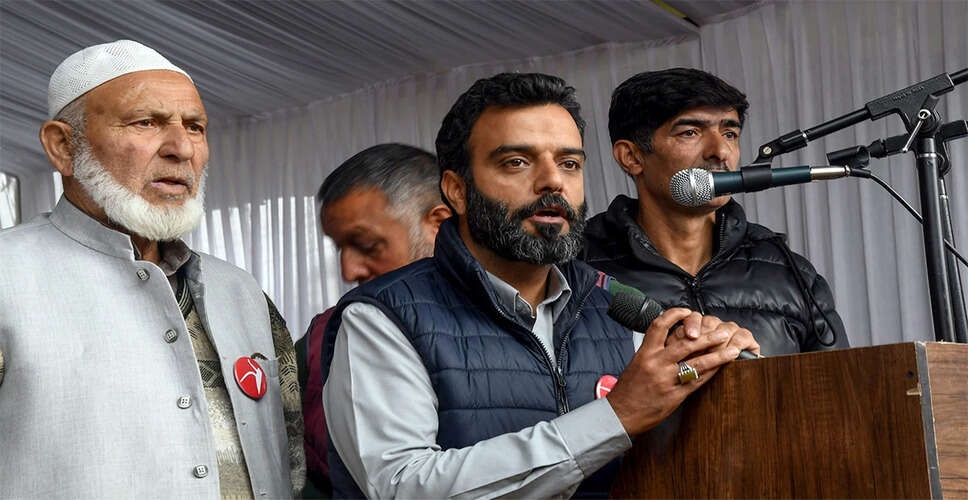
In response to these actions, political opposition has intensified. Aga Ruhullah Mehdi, a leader from the National Conference and MP from Srinagar, criticized the additional data collection on religious institutions, stating that existing surveillance by CID, IB, and other agencies already exists. He described this move as a violation of religious freedom and suggested it appears to be an attempt by the Bharatiya Janata Party and the Rashtriya Swayamsevak Sangh to exert control over mosques. Mehdi emphasized that the police already possess information in the form of Aadhaar cards and other documents, arguing that this data collection is an intimidation tactic aimed at a specific religious group.
Concerns from Religious Organizations
Similarly, the Mutahida Majlis-e-Ulema (MMU), led by Mirwaiz Umar Farooq, expressed deep concern over this initiative, labeling it a complete violation of privacy, dignity, and fundamental rights. The organization has urged the Lieutenant Governor's administration to withdraw this process immediately and respect the autonomy of religious institutions.
Broader Implications
This security measure in Kashmir has sparked a significant debate, with the administration framing it as a necessary step against extremism, while critics view it as a threat to religious freedom and civil rights.