
Saudi Arabia Implements Strict Regulations for Hajj Pilgrimage 2025
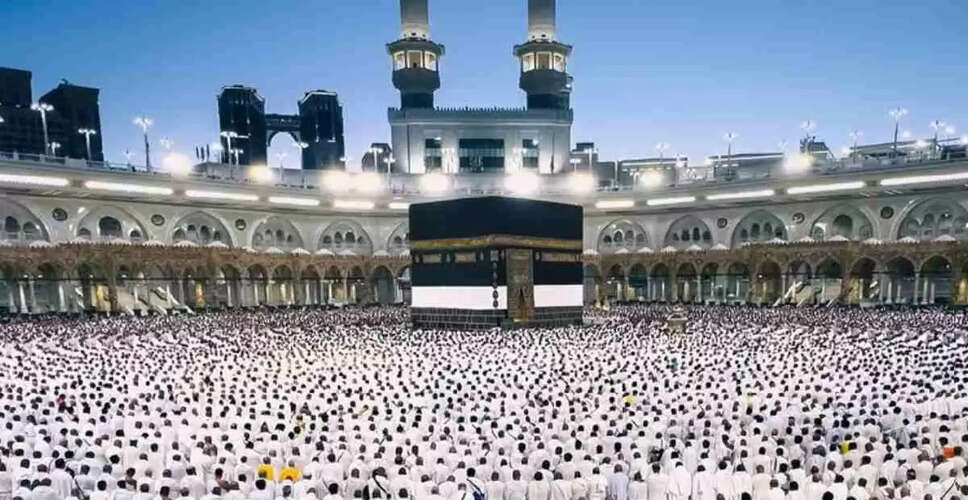
New Regulations for Hajj Pilgrimage
As the Hajj pilgrimage approaches, the Ministry of Interior in Saudi Arabia has introduced stringent penalties aimed at preventing unauthorized participation in this significant Islamic event. These measures are designed to enhance safety and organization while preserving the sanctity of the pilgrimage.
From April 29 to June 10 (1 Dhul-Qi’dah to 14 Dhul-Hijjah), individuals attempting to perform Hajj without the required permits may face severe consequences, including permanent removal from the country, substantial fines, and entry bans. The specific dates for the pilgrimage will be confirmed based on the sighting of the new moon, expected between June 4 and June 9.
Those entering the holy cities of Mecca and Medina without a valid Hajj permit during this restricted timeframe could incur fines reaching up to 20,000 Saudi Riyals (around INR 4.5 lakh). This regulation applies universally, affecting tourists and holders of visit visas alike.
A financial penalty of up to SAR 20,000 shall be imposed on anyone apprehended performing or attempting to perform Hajj without a permit, as well as on holders of all types of visit visas who enter, attempt to enter, or remain in the city of Makkah or the Holy Sites.… pic.twitter.com/kGoN1qp8GZ
— إمارة منطقة مكة المكرمة (@makkahregion) May 2, 2025
The authorities are also focusing on those who assist unauthorized pilgrims. Individuals involved in arranging travel, accommodation, or documentation for unregistered pilgrims may face fines of up to 100,000 Riyals (approximately INR 22.7 lakh) for each violation.
The government emphasizes that these fines are just a fraction of the measures being implemented to uphold the law. Anyone entering Saudi Arabia illegally for Hajj may be deported and barred from re-entry for a decade. Additionally, vehicles used for such unauthorized journeys could be confiscated by court order, particularly if they belong to the offenders. Accommodation providers may also face penalties for hosting unregistered pilgrims. The Ministry's objective is to manage crowds effectively, ensure safety, and protect the sanctity of the holy sites.
Understanding Hajj: A Fundamental Islamic Duty
Hajj is one of the five pillars of Islam, regarded as a religious obligation for all Muslims who are physically and financially capable of undertaking it. The pilgrimage consists of various rituals performed in the sacred cities of Mecca and Medina over five to six days during the Islamic month of Dhul Hijjah, culminating in the celebration of Eid al-Adha.
Every year, millions of Muslims from around the globe participate in this profound pilgrimage.