
Satellite Imagery Blackout: A New Era of Information Control in the Iran Conflict
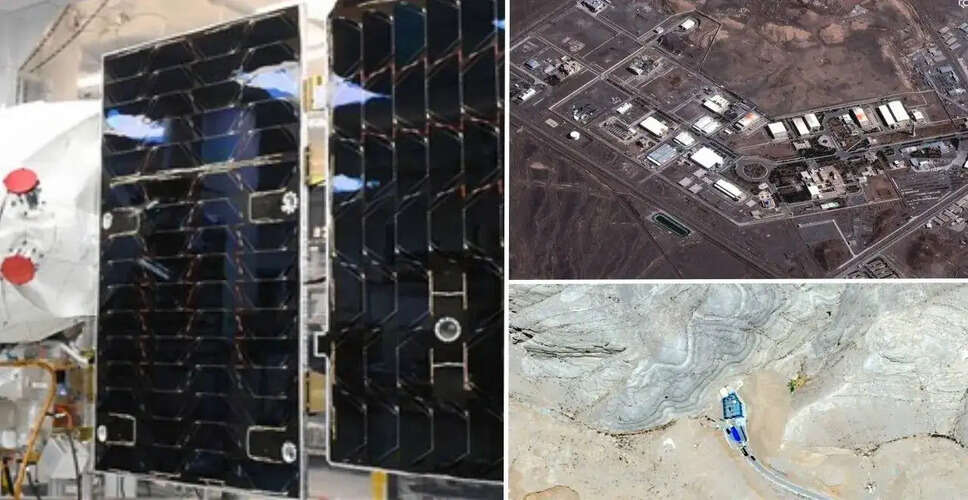
Planet Labs Halts Satellite Imagery of Iran Conflict
On Saturday, Planet Labs, a company specializing in Earth imaging from space, announced it would cease sharing images related to the conflict in Iran. This decision, influenced by the Trump administration, is not a temporary measure but a complete and indefinite halt. This significant move comes at the end of a five-week period during which independent sources of information regarding the war have been systematically restricted by all parties involved.
Planet Labs operates the largest fleet of commercial satellites that capture images of Earth. These satellites document events such as bombings in Tehran, providing crucial verification for journalists, researchers, and human rights organizations. On April 5, Planet Labs informed its clients, including major news organizations, about its decision to withhold imagery across Iran and the broader Middle East conflict zone indefinitely, retroactive to March 9. Images will now only be released on a selective basis deemed to be in the public interest.
According to Washington Post journalist Evan Hill, this blackout significantly limits access to one of the most vital satellite imagery providers relied upon by media outlets. The restrictions escalated gradually, starting with a 96-hour delay, followed by a 14-day hold, and culminating in an indefinite blackout. Each phase was justified by the need to prevent adversaries from utilizing the images, but the practical outcome has been to hinder journalists as well.
Escalation of Information Control
The satellite blackout is just one part of a broader pattern of information suppression that unfolded over 37 days. Initially, Defense Secretary Hegseth limited Pentagon briefings and favored certain media outlets. By Day 17, journalists from major news organizations had surrendered their press credentials, as reported by the Freedom of the Press Foundation. A federal judge deemed the Pentagon's policy unconstitutional on Day 21, yet the restrictions continued. By Day 25, leaked documents revealed that the Pentagon was controlling the language satellite companies could use. Finally, on Day 37, Planet Labs announced its indefinite blackout.
Widespread Information Suppression
Across the conflict, all parties are employing their own tactics to control information. The U.S. has restricted satellite access and press freedoms, while Iran has blocked internet access and imprisoned journalists. Israel has imposed military censorship, and Gulf states have tightened controls following missile attacks. Lebanon has allowed Hezbollah to dictate journalist access, and Iraq has restricted border crossings. Each side is ensuring that only their approved narratives reach the public, creating a dangerous environment for truth.
The Importance of Reliable Information
Reporters Without Borders emphasizes the critical need for reliable information regarding the war, urging all stakeholders to protect journalists and their work. The Freedom of the Press Foundation has called for a renewed commitment to uncovering truths that the Pentagon may wish to conceal, especially given the ongoing military involvement.
Unanswered Questions
If the military operations are successful, why is there a need for such extensive secrecy? Unlike during the Iraq War, when the U.S. allowed media access and real-time coverage, the current approach is one of total opacity. This shift raises questions about the motivations behind the information blackout.