
Sarzameen: A Mixed Bag of Drama and Melodrama
A Closer Look at Sarzameen
The reality is that Kayoze Irani’s debut feature film isn’t as unbearable as some reviews suggest. We seem to be in an age where critical opinions can sway public perception dramatically; if one reviewer praises a film that heavily borrows from a Korean melodrama, others quickly follow suit.
It's akin to being entranced at a rock concert, where the crowd chants in unison. Sarzameen attempts to deliver shocking moments, but it often misses the mark by trying too hard. Plot twists that lack coherence merely for the sake of surprise can detract from the overall narrative, much like the unexpected reveal of Kajol as the antagonist in Gupt.
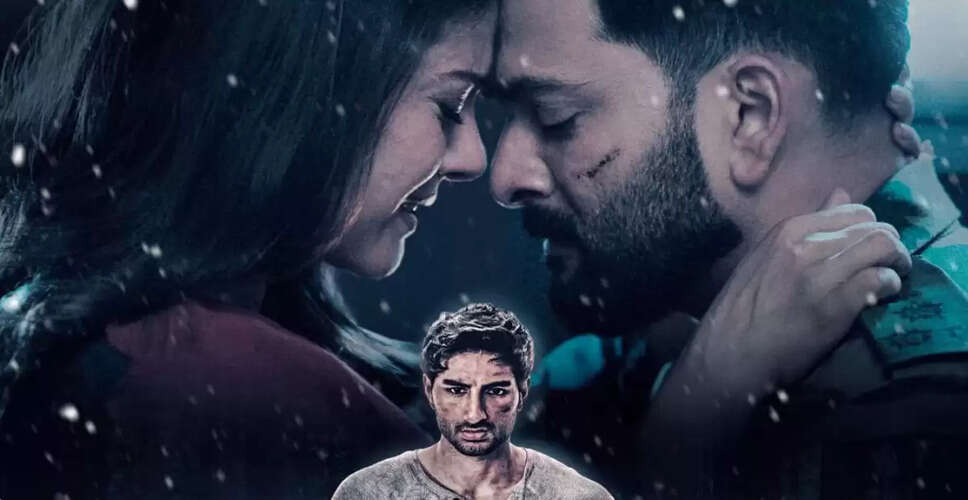
Kajol plays the mother of a radicalized Kashmiri youth married to an army officer named Vijay Menon, a choice seemingly made to accommodate Prithviraj’s South Indian accent. Early in their seemingly blissful marriage, tensions arise as their son Harman (portrayed by Ibrahim Ali Khan, who continues to take on roles involving disabilities) feels overlooked.
When Harman is kidnapped by Mihir Ahuja, the father, echoing sentiments from Ramesh Sippy’s Shakti, declares, 'Country above son.' After years, Harman returns, now radicalized but still resembling Ibrahim Ali Khan, which isn’t entirely unfortunate.
Interestingly, the child actor Ronav Parihar bears a striking resemblance to Ibrahim, sharing similar features and a stammer. But I digress. This film, however, is never guilty of losing focus. In fact, the editing by Nitin Baid is so precise that it feels like a tightly choreographed performance. At times, I wished the director would allow the characters and their dramatic arcs a moment to breathe.
Yet, Sarzameen maintains a relentless grip on the audience's attention. Unfortunately, it lacks the visionary storytelling of Mani Ratnam’s Roja or the visual appeal of Vinod Chopra’s Mission: Kashmir, which could have made the exploration of Kashmir's militancy more engaging.
One aspect I appreciated in Sarzameen is its exploration of the radicalization of Kashmiri youth. It raises an important question: how well do we truly know the children we see every day? This theme resonates with the impactful (though somewhat overrated) British series Adolescence.
Instead of resorting to cheap jump scares, Sarzameen would have benefited from delving deeper into the fraught father-son dynamic. The performances by Prithviraj and Ibrahim shine in this regard.
Ibrahim has shown growth since his last appearance in Nadaniyaan, though he still has room for improvement. However, Kajol seems to be missing in action in her recent roles, as if her thoughts are elsewhere.
One fondly recalls Raakhee Gulzar’s poignant portrayal of a mother caught between her husband’s strict principles and her son’s rebellious spirit in Shakti.
Despite being set in the Valley, the film often confines itself indoors, limiting its depiction of Kashmir. Viewed in its own context, Sarzameen is not entirely dismissible.