
Sanjay Malhotra Takes Charge as RBI Governor: Insights on India's Forex Reserves
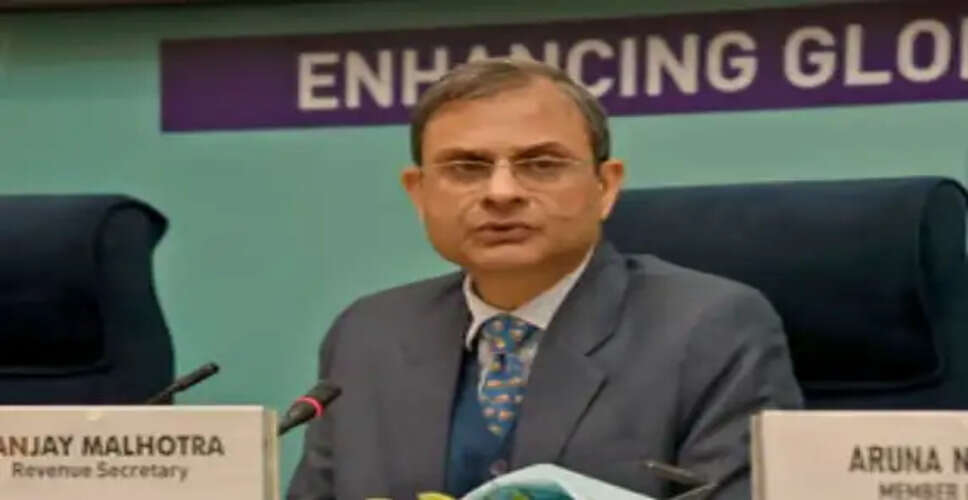

Sanjay Malhotra's Vision for India's Forex Reserves
Mumbai: On Friday, Sanjay Malhotra, the newly appointed Governor of the Reserve Bank of India, announced that the country's foreign exchange reserves are currently at a robust USD 682.3 billion, which is sufficient to cover imports for approximately 11 months.
During the announcement of the second bi-monthly monetary policy for the fiscal year, he highlighted various policy measures aimed at bolstering the balance of payments.
These measures include recent agreements with key trading partners, the allowance of 100% Foreign Direct Investment (FDI) in the insurance sector, an ethanol blending initiative, a push towards energy transition, and the easing of FDI restrictions for neighboring countries, among others.
As of May 29, 2026, Malhotra stated that India's foreign exchange reserves are deemed adequate based on standard metrics, including import coverage and external debt, which stands at 89.1%.
He emphasized that while the forex reserves serve as a strong buffer against external shocks, the Reserve Bank has a comprehensive set of regulatory and market-based tools to respond effectively as needed.
India's forex reserves saw a decline of USD 7.511 billion, bringing the total to USD 681.384 billion for the week ending May 22.
Previously, the reserves had reached a record high of USD 728.494 billion during the week ending February 27, prior to the escalation of the West Asia conflict, which pressured the rupee and prompted the RBI to intervene in the forex market by selling dollars.
As of January 2, 2026, the forex reserves were recorded at USD 686.801 billion.
Malhotra assured that the Reserve Bank would maintain adequate liquidity in the banking sector to support the economy's productive needs and facilitate the transmission of monetary policy.
He noted that India has effectively managed the challenges posed by high tariffs and trade uncertainties in 2025-26, despite a turbulent global economic landscape. However, rising energy prices and ongoing trade policy uncertainties continue to pose risks to India's current account deficit for 2026-27.
He also mentioned that the surplus in services trade and inward remittances are expected to provide some relief.