
Russian Superyacht Navigates Through Tense Strait of Hormuz Amid US-Iran Conflict
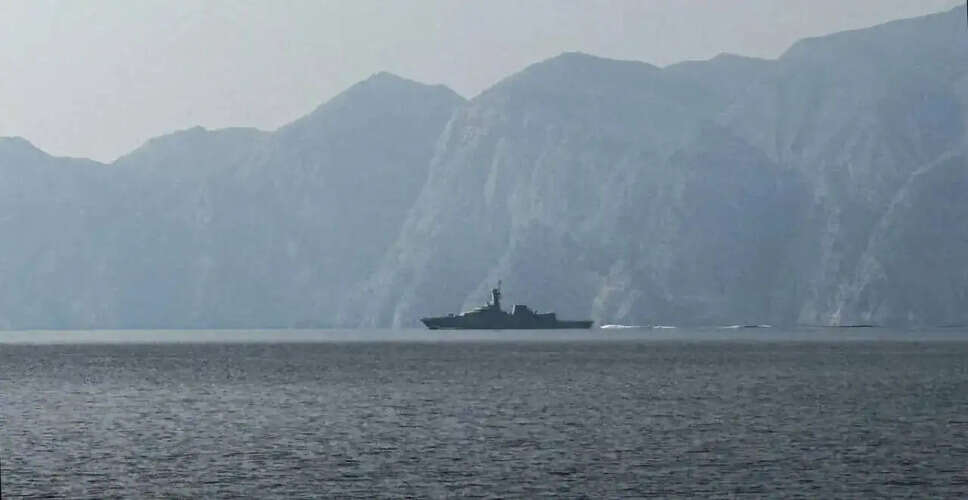

Russian Yacht's Journey Through the Strait
A superyacht from Russia, associated with the sanctioned billionaire Alexey Mordashov, has successfully traversed the Strait of Hormuz, as reported by various news sources citing shipping data. The yacht, named Nord, measures 142 meters (465 feet) and is valued at over $500 million, making it one of the few vessels to navigate this heavily monitored shipping route. After departing from a marina in Dubai around 1400 GMT on Friday, the Nord crossed the strait on Saturday morning and reached Muscat early Sunday, according to information from the MarineTraffic platform. The circumstances under which this luxury vessel was allowed to pass remain unclear. This event comes amid high-level discussions between Iran and Russia, coinciding with ongoing tensions between Iran and the US regarding the reopening of the strait.
Seafarers Affected by Ongoing Conflict
20,000 Seafarers Stranded Due to US-Iran Conflict
Currently, around 20,000 seafarers aboard numerous ships, including oil tankers and cargo vessels, are stuck in the Gulf, unable to navigate the crucial Strait of Hormuz. Recent statistics from Lloyd’s List Intelligence reveal a significant drop in vessel movements, with only about 80 ships passing through the strait during the week of April 13-19, a stark contrast to the more than 130 vessels that typically transited daily before the conflict began. The United Nations has reported that at least 10 seafarers have died since the escalation of tensions. Despite the US President's extension of the ceasefire, the blockade on Iranian ports persists, leading Iran to retaliate by targeting vessels in the strait.
Iran's Proposal and US Response
Iran Proposes Reopening of Hormuz in New Proposal, US Cautious
US Secretary of State Marco Rubio has stated that Iran's recent offer to reopen the Strait of Hormuz under strict conditions is unacceptable to the United States and its allies. He emphasized that preventing Iran from acquiring nuclear weapons remains a primary concern for the US. In a recent interview, Rubio expressed that Iran's interpretation of the strategic waterway differs significantly from that of the international community. He remarked, “What they mean by opening the straits is, yes, the straits are open, as long as you coordinate with Iran, get our permission, or we’ll blow you up and you pay us.” He asserted that such a stance cannot be normalized or tolerated. Reports indicate that Iran has presented a new proposal to the US to facilitate the reopening of the Strait of Hormuz, suggesting a delay in nuclear negotiations, according to sources familiar with the matter.