
Russia Faces Fuel Crisis Amid Ongoing Ukraine Conflict
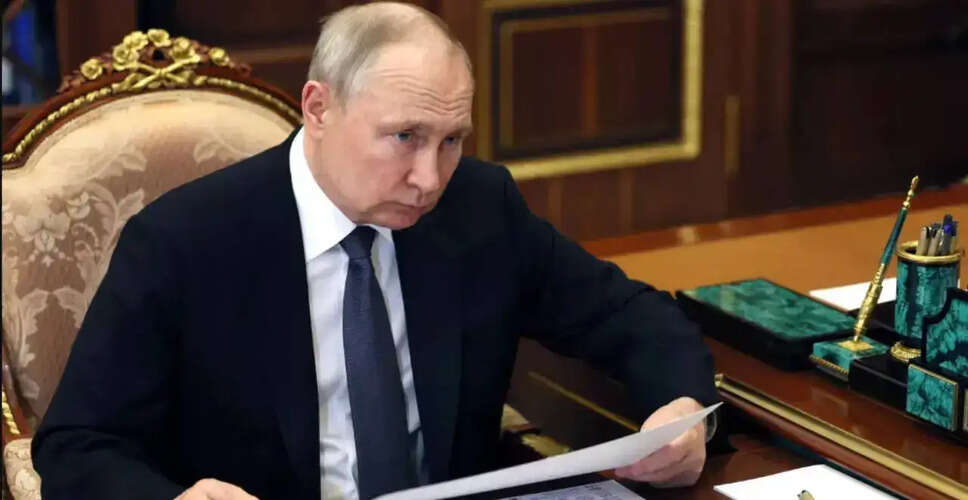

Fuel Shortages Acknowledged by Putin
As the conflict in Ukraine continues to impact its energy infrastructure, Russia is grappling with a significant fuel crisis. President Vladimir Putin has openly recognized the ongoing shortages and indicated that the government is contemplating restrictions on diesel exports to stabilize local supplies. During a meeting with high-ranking officials, Putin noted that despite oil refineries operating at full capacity, fuel shortages are still affecting motorists, businesses, and the agricultural sector. He attributed these disruptions to repeated Ukrainian drone strikes targeting oil facilities, emphasizing that efforts are underway to mitigate further damage.
Addressing Fuel Supply Issues
Putin addressed the officials in charge of fuel distribution, acknowledging the long lines at petrol stations in various regions of Russia and the unavailability of certain fuel grades. He stated, "You are aware that issues for motorists and businesses continue. Unfortunately, there are queues at gas stations, and the right grade of gasoline isn't always accessible right now." He stressed the need to minimize the impact of attacks on civilian infrastructure.
Potential Diesel Export Ban
In light of the domestic shortages, Putin confirmed that discussions are ongoing regarding a complete ban on diesel exports. However, he cautioned against implementing measures that could inadvertently create new challenges for Russian oil producers, such as excessive fuel inventories. He stated, "We have convened to avoid unnecessary actions that could complicate our situation further." Despite these discussions, Deputy Prime Minister Alexander Novak has advised against an immediate export ban. Following consultations with oil producers, the Energy Ministry has suggested maintaining current export policies, arguing that alternative measures could stabilize supplies without disrupting the energy sector.
Government Task Force Initiatives
Putin mentioned that a dedicated government task force is working tirelessly to tackle the fuel shortages, calling for comprehensive measures that align with the scale of the challenges faced. He highlighted agriculture as a priority, warning that delays in fuel deliveries could jeopardize this year's harvest. "We must ensure that all seasonal fuel supply schedules are upheld for agro-industrial enterprises, as the harvest relies on it," he stated.
Current Fuel Reserves and Production Outlook
According to Putin, Russia's gasoline reserves are currently around 1.7 million tonnes, which is approximately 4 percent lower than the same time last year. Although stockpiles have been utilized to stabilize domestic supplies, he expressed optimism that fuel production would rebound swiftly, with output expected to surpass June levels by July. He reiterated that the country's oil refineries are functioning at maximum capacity despite ongoing attacks.
Impact of Ukrainian Strikes
The fuel crisis has been exacerbated by Ukraine's increased drone strikes targeting oil refineries, storage facilities, and other industrial sites within Russia and in territories under Russian control. These attacks have disrupted refining operations, damaged critical infrastructure, and complicated fuel logistics, putting additional pressure on Moscow to prioritize domestic needs over exports.
Putin's Perspective on Current Challenges
During a recent United Russia party conference ahead of the upcoming parliamentary elections, Putin characterized the current situation as a "difficult period," but expressed confidence that the nation would emerge stronger. He remarked, "We are navigating through a challenging time, but it has imparted valuable lessons," asserting that these challenges have fortified Russia's resolve to defend its interests.
Economic Pressures from the Fuel Crisis
The escalating fuel shortage underscores the increasing strain the Ukraine conflict is placing on Russia's economy. While the government strives to maintain fuel production and safeguard essential infrastructure, ongoing Ukrainian assaults on energy facilities and rising domestic demand have complicated efforts to ensure a steady supply. With diesel export restrictions under consideration and authorities working to stabilize the market, the upcoming weeks will be critical in determining whether Russia can alleviate shortages without further disrupting its energy sector or export revenues.