
Russia and India Strengthen Civil Nuclear Cooperation Ahead of Putin's Visit
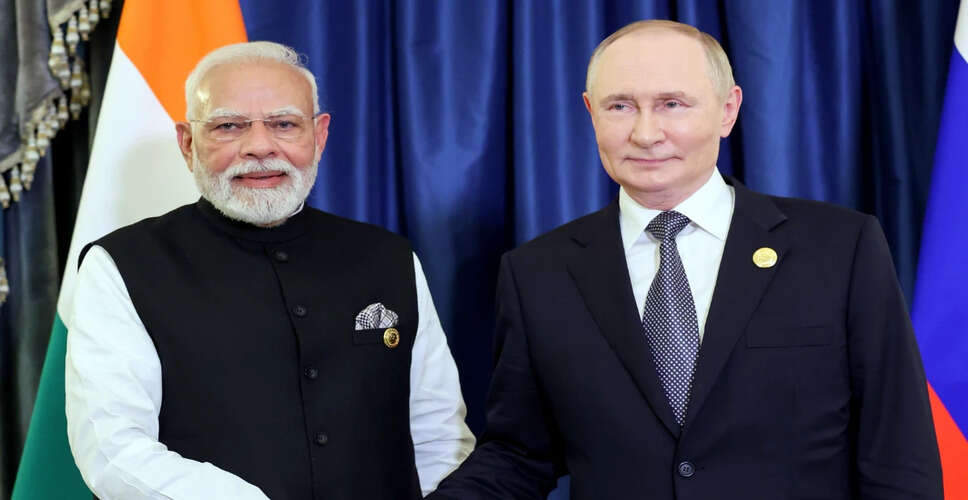
Strengthening Ties in Nuclear Energy
The Russian government has approved a memorandum aimed at enhancing bilateral cooperation in civil nuclear energy during President Vladimir Putin's upcoming visit to India on December 4-5. According to local reports, the state-owned nuclear energy corporation, Rosatom, has been authorized by the Russian government to sign this agreement with Indian officials. This company is currently involved in the construction of several reactors at the Kudankulam Nuclear Power Plant in Tamil Nadu.
During a conversation with Indian media, Dmitry Peskov, spokesperson for the Kremlin, mentioned that Rosatom's CEO, Alexey Likhachev, will be traveling to India. He is expected to present a comprehensive overview of various collaboration proposals, including the construction of small modular reactors, at the summit in New Delhi. Previous reports indicated that Rosatom is also prepared to discuss the localization of Russian-designed advanced reactors in India.
Additionally, it is noteworthy that the State Duma of Russia officially approved a significant military logistics agreement with India just days before President Putin's visit. The Reciprocal Exchange of Logistics Support (RELOS), which was signed on February 18, was presented for approval last week by Prime Minister Mikhail Mishustin.
Vyacheslav Volodin, the Speaker of the State Duma, stated that this initiative reflects the strength of the partnership between the two nations. He characterized the India-Russia relationship as 'strategic and comprehensive,' emphasizing that the ratification of this agreement marks another step towards deeper cooperation.
Details posted on the Duma's website indicate that this agreement will allow military aircraft, ships, and other formations from both sides to utilize each other's facilities for joint exercises, training programs, humanitarian operations, and disaster relief missions. According to reports, these arrangements will be applicable in locations where both governments agree to operate.