
Rob Key Addresses England Players' Conduct During Ashes Break
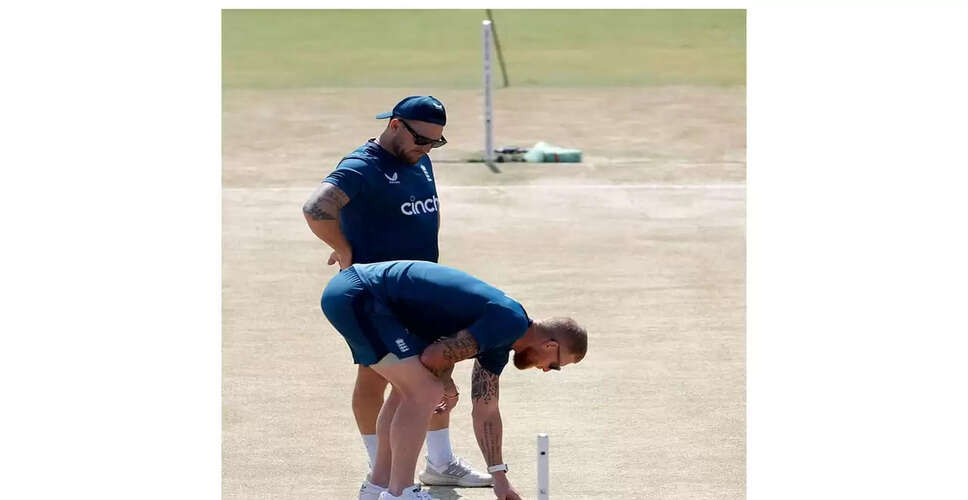
Investigation into Players' Behavior
Rob Key has announced plans to investigate the behavior of England's cricket players during their recent mid-Ashes break in Noosa, emphasizing that excessive drinking is unacceptable for an international team, according to reports. Following their eight-wicket defeat in the second Test at the Gabba, the team spent four nights at the popular coastal resort in Queensland. They insisted that this trip was a necessary mid-series break rather than a vacation. Head coach Brendon McCullum had previously described the getaway as a beneficial opportunity for players to recharge before the third Test.
Key's Initial Thoughts and Subsequent Concerns
Initially, Key, who is the managing director of England cricket, did not join the team in Noosa and believed the players behaved appropriately. However, after the team suffered an 82-run defeat in the Adelaide Test, comparisons were made between the trip and a stag party. Speaking at the MCG, Key stated he would review the events of the break to determine if any disciplinary measures were necessary.
Key's Stance on Drinking Culture
"If there are claims that our players engaged in excessive drinking, we will certainly investigate that," Key remarked. He stressed that a culture of heavy drinking is not acceptable for an international cricket team. "From what I have heard, they behaved well," he added. Key expressed his disapproval of a drinking culture, stating, "I think it doesn't benefit anyone in any way." He clarified that he has no issue with the Noosa trip if it was meant for relaxation, but any behavior beyond moderation would be concerning.
Previous Conduct Warnings
Key also mentioned that players Jacob Bethell and Harry Brook had received warnings from team management prior to the Ashes series due to an incident where they were seen drinking at a bar before England's third ODI in New Zealand. "I have no problem with players enjoying a glass of wine at dinner, but anything beyond that is excessive," he stated, noting that while there were no formal actions taken, informal warnings were deemed appropriate.