
Rising Threat of Scrub Typhus in Northeast India: A Public Health Alert
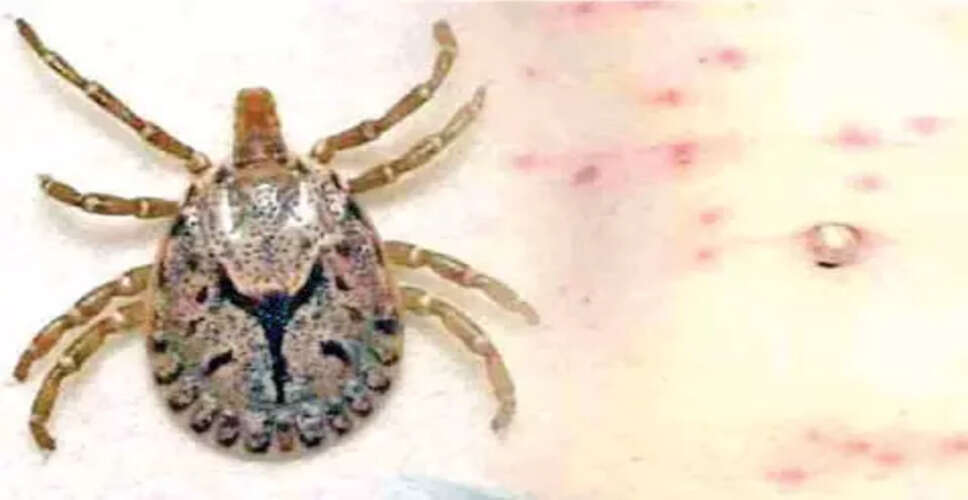

Understanding Scrub Typhus
GUWAHATI, Nov 20: A common fever can escalate into a serious health crisis. Scrub typhus, a dangerous bacterial infection spread by infected larval mites, is becoming a significant public health issue in Northeast India, especially in states like Assam, Mizoram, and Nagaland.
This infection, caused by the bacterium Orientia tsutsugamushi, is often confused with typical viral fevers and can deteriorate quickly without timely diagnosis and treatment. Medical professionals caution that delays in treatment may lead to severe complications such as pneumonia, respiratory failure, brain inflammation, kidney damage, heart issues, shock, and multi-organ failure.
The disease is transmitted through bites from infected chiggers, which are commonly found in grassy areas, bushes, agricultural lands, and places with rodent infestations. Unlike many other infectious diseases, scrub typhus is not contagious between individuals.
Dr. Raj Dutta, a senior consultant in internal medicine and critical care, notes that the illness usually manifests with persistent fever, intense headaches, muscle aches, and extreme fatigue. Some patients may develop a characteristic black scab-like lesion, known as an eschar, at the bite site, but its absence does not exclude the possibility of infection, complicating clinical diagnosis.
Advanced cases may necessitate extended hospital stays, intensive care, and costly treatments, with some patients requiring ventilators and dialysis. Severe complications can lead to coma and, without prompt medical care, even death.
The rising alarm is evident in national surveillance data. The National Centre for Disease Control reported 33 outbreaks of scrub typhus in 2023, a significant increase from 14 in 2021. A review of data from 2009 to 2023 identified 127 outbreaks, resulting in 3,751 cases and 93 fatalities.
The Northeast has become a critical area of concern. A report from the Ministry of Health and Family Welfare indicated that 15 scrub typhus-related deaths were officially recorded across the eight northeastern states from 2021 to 2024. Assam, Mizoram, and Nagaland each reported four deaths, while Manipur had two and Sikkim one. The actual numbers may be much higher due to underdiagnosis and incomplete reporting.
Dr. Dutta attributes the rise in cases to changing land use, deforestation, agricultural practices, climate changes, and increased human interaction with mite-infested areas. Enhanced diagnostic capabilities and surveillance have also contributed to the identification of more cases.
Dr. B Borkakoty from RMRC-ICMR in Lahowal states that Northeast India, particularly Assam, has several recognized scrub typhus hotspots, which may account for about 20% of Acute Encephalitis Syndrome (AES) cases in certain areas.
A study conducted at Assam Medical College and Hospital in Dibrugarh from October 2024 to September 2025, involving 80 confirmed cases, reported a mortality rate of 8.75%. The findings indicated that rural male agricultural workers were particularly vulnerable, with a seasonal peak in spring and frequent multi-organ involvement.
Fortunately, scrub typhus is treatable with the right antibiotics. Medical professionals stress the importance of starting treatment promptly when there is a high suspicion of the disease, rather than waiting for lab results.
With increasing reports from Assam, Arunachal Pradesh, and Nagaland, experts are advocating for improved surveillance, better access to diagnostic facilities, and heightened community awareness. Protective measures such as wearing appropriate clothing, boots, and socks while working in fields, avoiding dense vegetation, and using repellents can help minimize exposure.