
Rising Threat of Fake Currency Circulation in India
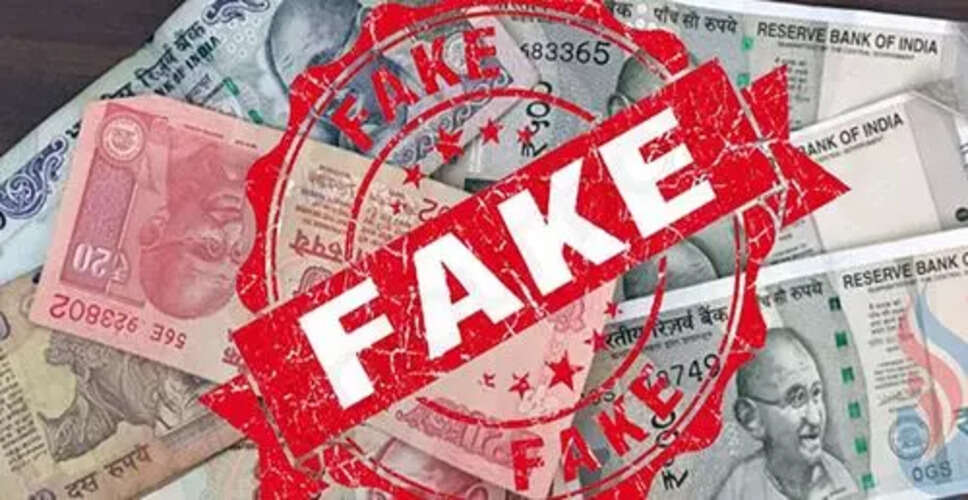
Concerns Over Fake Currency Entry Points
New Delhi, March 27: Security agencies in India are increasingly alarmed by the growing number of entry points for counterfeit currency into the market. Initially, fake notes were smuggled into India via Nepal from Pakistan. However, due to heightened surveillance at the Nepal border, the focus has shifted to Malda in West Bengal.
The National Investigation Agency (NIA), which is investigating many of these cases, has identified Malda as a hub for advanced printing operations. These units reportedly obtain materials from Pakistan through the Bangladesh border to produce counterfeit currency.
An official from the Intelligence Bureau noted that the number of regions involved in this illicit activity has expanded. Areas such as Murshidabad and Nadia in West Bengal have emerged as significant centers for this operation.
Additionally, the counterfeit currency trade is thriving in Coastal Andhra, Tamil Nadu, Kerala, Gujarat, Delhi, and Maharashtra.
While West Bengal remains a primary source of fake currency, officials have indicated that some notes also originate from Dubai before reaching South Indian states.
Another source revealed that the Dawood Ibrahim syndicate continues to control this network across India.
The ISI has reportedly directed the syndicate to enhance production and adopt a nationwide strategy, which explains the frequent busts of fake currency operations throughout the country.
Moreover, the syndicate has been leveraging social media to facilitate transactions. For example, in Malkapur, Maharashtra, deals involving counterfeit currency were arranged via social media platforms.
In addition to Malkapur, Pune and Bhiwandi have also become key locations for these transactions.
The use of technology is prevalent among these criminals, with reports indicating that they employ Artificial Intelligence (AI) to enhance the authenticity of the notes.
AI tools have been utilized to inquire about proper printing techniques and methods to evade law enforcement detection. Most of the materials for producing fake notes are sourced from Pakistan.
The Pakistan Security Printing Corporation (PSPC) in Karachi has been a primary supplier for the syndicate.
Recently, the syndicate has also begun acquiring paper from Chinese sources, adding to the challenges faced by authorities.
The production and distribution of counterfeit currency are part of an ISI strategy aimed at undermining India's economy. Officials believe that the ISI intends to expand this operation, potentially establishing printing units in every state.
Currently, the distribution routes have diversified, with West Godavari and East Godavari in Andhra Pradesh becoming significant hubs for the circulation of fake currency. The notes that arrive in these regions are primarily circulated within southern states.
This indicates that the syndicate is adopting a region-specific approach, creating similar distribution points in various areas to minimize the risk of detection. By shortening transportation routes, they aim to reduce the likelihood of being caught, while also limiting interactions between different regional units to further decrease detection risks.