
Rising Tensions in West Asia: Implications for Pakistan Amid Iran-US Confrontation
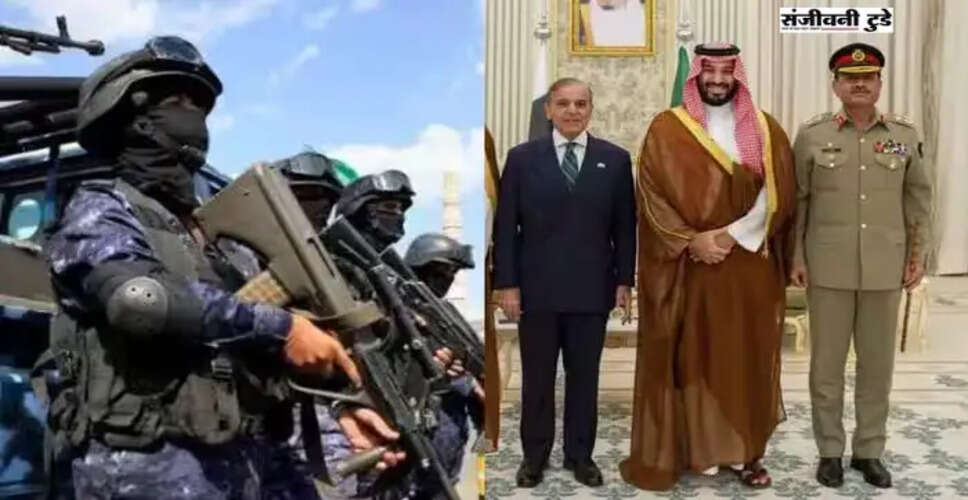

Escalating Tensions in West Asia
Amid ongoing tensions in West Asia, a pressing question arises: could the escalating conflict between Iran and the United States extend its reach to Pakistan? The activities of Houthi rebels in the region, increasing tensions with Saudi Arabia, and Iran's strategic challenges have heightened the sensitivity of the situation. While there has been no official confirmation of Pakistan's direct involvement in any conflict, discussions regarding this possibility have intensified in light of recent regional developments.
Experts suggest that Iran is currently facing pressure on multiple fronts. Tensions persist with the US and its allies, while concerns regarding the Houthi rebels in Yemen are growing among Saudi Arabia and other Gulf nations. Should regional conflicts escalate, the implications for neighboring countries' security and foreign policies could be significant.
Pakistan's position in this unfolding scenario is considered quite delicate. The country maintains various strategic and economic ties with Iran, Saudi Arabia, and China. Therefore, Islamabad is likely to weigh its national interests, economic conditions, and regional balance before openly supporting any side. Defense analysts indicate that engaging in direct military conflict would not be an easy decision for Pakistan.
The rising tensions between the Houthi rebels and Saudi Arabia have also raised security concerns in the Red Sea and Gulf regions. There are fears that this could impact international shipping and energy supply routes. If the conflict spreads, it could have repercussions on the global oil market, maritime trade, and the international economy.
Political analysts note that Iran continues to maintain communication with its regional allies and strategic partners, but any decision regarding direct military intervention by new countries will depend on various political and diplomatic factors. Pakistan has thus far attempted to adopt a balanced stance in regional disputes, emphasizing dialogue and diplomatic solutions.
Meanwhile, the international community is closely monitoring the situation in West Asia. The United Nations and several countries have urged all parties to exercise restraint and reduce tensions. Experts warn that if diplomatic efforts fail, instability in the region could escalate, affecting the entire world.
Currently, speculation surrounds Pakistan's potential involvement in military action. Neither the Pakistani government nor any relevant parties have made an official announcement regarding direct military participation. Therefore, it will be crucial to observe regional developments and official statements from involved countries in the coming days.