
Rising Tensions in the Strait of Hormuz: Implications for Global Energy Markets
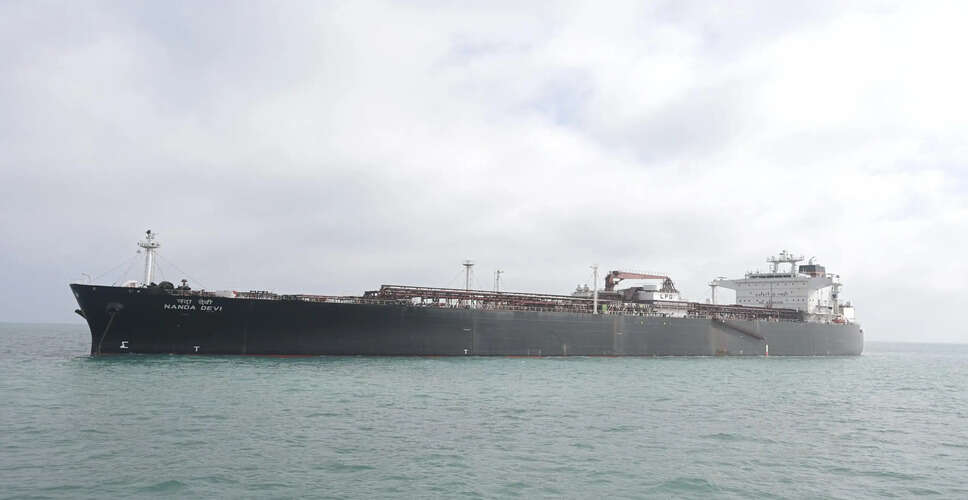

Global Attention on the Strait of Hormuz
As tensions escalate in the Middle East, the Strait of Hormuz has once again captured global attention. This maritime route is not merely a narrow passage on a map; it is considered a lifeline for global energy supplies. Approximately 20% of the world's oil and gas passes through this corridor. Should the Strait of Hormuz become fully blocked or if shipping traffic is significantly disrupted, it could have immediate repercussions on fuel markets worldwide, including in India.
The Importance of the Strait of Hormuz
The Strait of Hormuz connects the Persian Gulf to the Arabian Sea. A significant portion of oil and gas from Saudi Arabia, UAE, Kuwait, Qatar, Iraq, and Iran reaches global markets via this route. India relies heavily on this region for its oil and LPG imports, with estimates suggesting that nearly half of India's crude oil imports and most of its LPG supply depend directly or indirectly on this passage.
Impact on Shipping Traffic
Recent reports indicate a sharp decline in the number of vessels transiting the Strait of Hormuz following the latest tensions. While 26 ships used the route one day, only five managed to pass the next day. Many shipping companies have curtailed their operations due to increased risks.
During previous crises, numerous oil and gas tankers found themselves stranded at sea. Reports indicate that many vessels had to wait or seek alternative routes. Some Indian ships successfully navigated out, but several remained stuck in the affected area for extended periods.
Potential Price Increases for Fuel
Energy market analysts warn that if the Strait of Hormuz remains disrupted for an extended period, Brent crude prices could soar to $100 per barrel or higher. Historical crises have seen oil prices spike by 10 to 13%.
In India, petrol and diesel prices are influenced by more than just crude oil costs, as taxes, refining, and marketing expenses also play a role. However, if international oil prices remain elevated for a prolonged period, consumers may witness significant increases in petrol and diesel prices, potentially several rupees per liter. Experts suggest that such hikes may occur gradually, especially if the government and oil companies do not absorb the additional costs.
LPG Supply Concerns
The situation regarding LPG is considered even more sensitive. India heavily relies on imported LPG to meet domestic gas needs, with a substantial portion sourced from Gulf countries. Disruptions in the Strait could affect both the availability and transportation costs of LPG.
Analysts indicate that prolonged crises could exert pressure on the prices of cooking gas cylinders. However, the final pricing will depend on how much the government utilizes subsidies or other relief measures.
India's Alternatives
In recent years, India has diversified its oil import sources, purchasing crude from Russia, Africa, and other nations. During the current crisis, Indian refineries have increased purchases from Russia and the UAE to mitigate risks. LPG supply has also been prioritized.
Additionally, India maintains strategic petroleum reserves that could provide relief during short-term crises. However, if disruptions persist, completely avoiding the impact of global price fluctuations may prove challenging.
Impact on the Common Man
Should the crisis in the Strait of Hormuz deepen, the repercussions will extend beyond just petrol and LPG. Increased transportation costs could lead to higher prices for food, fertilizers, aviation, logistics, and many everyday goods, raising inflation concerns.
Conclusion
Currently, India does not face an immediate fuel crisis, but prolonged disruptions in the Strait of Hormuz are likely to increase pressure on petrol, diesel, and LPG prices. While India has bolstered its preparedness through alternative supply sources and strategic reserves, any significant disruption in this crucial energy corridor could ultimately affect consumers' wallets.