
Rising Tensions in the Middle East: Security Concerns Heightened

Escalating Tensions in the Middle East
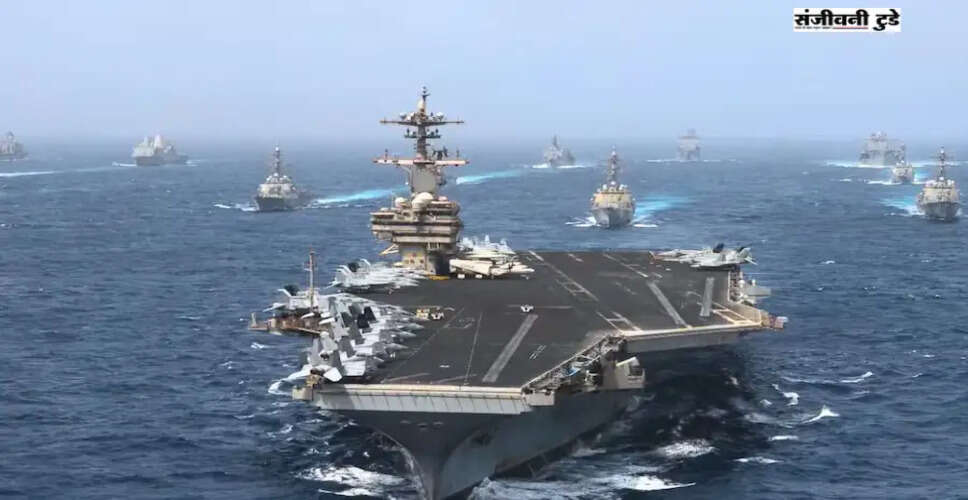
Tensions in the Middle East are once again reaching alarming levels. Following reports of an attack on another vessel near the Strait of Hormuz, security agencies across the region have been placed on high alert. Additionally, news of potential threats and attacks on U.S. military bases in several Gulf nations, including Kuwait, the United Arab Emirates, and Bahrain, has raised global concerns.
The Strait of Hormuz is recognized as one of the most crucial maritime trade routes in the world, with a significant portion of global oil supply passing through it. Any military activity or attack on ships in this area could have immediate repercussions on international markets and energy security.
Experts warn that if tensions continue to escalate, it could impact crude oil prices, global trade, shipping companies, and insurance costs. Many nations have heightened their vigilance regarding the safety of their vessels and citizens.
Moreover, reports concerning U.S. military installations in the Gulf have further complicated the situation. While official confirmations regarding various incidents may vary over time, independent verification of many claims remains essential.
The international community is urging all parties to exercise restraint. Should tensions rise further, the consequences would not be confined to the Middle East but could also significantly affect the global economy, energy markets, and international security.
The world is now closely watching to see whether diplomatic efforts will succeed in de-escalating the situation or if tensions will deepen in the coming days.