
Rising Tensions in the Middle East: Iran's Warning to Israel

Escalating Tensions in the Middle East
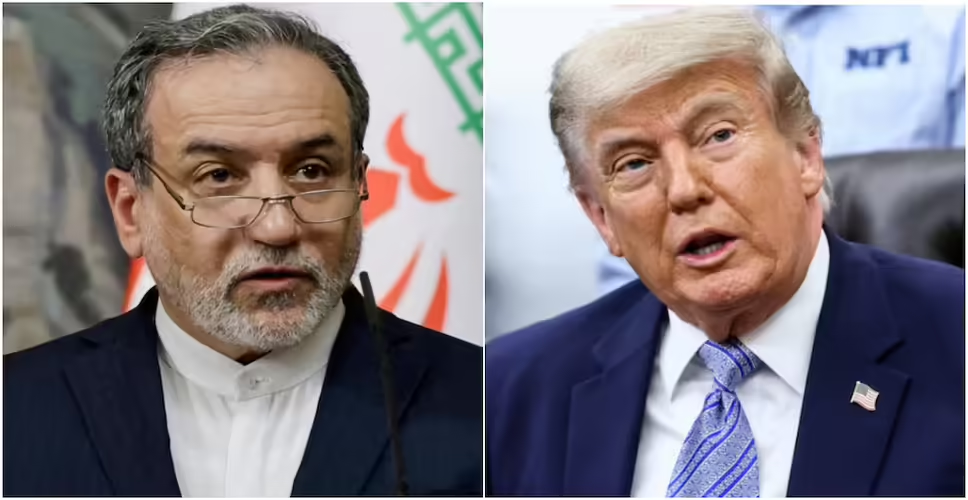
Tensions are once again escalating in the Middle East. Iran's Foreign Minister Abbas Araghchi has issued a stern warning regarding former U.S. President Donald Trump, stating that if the U.S. genuinely seeks peace in the region, it must first rein in its 'puppet' in Tel Aviv. He cautioned that if Israel continues its provocative actions, Iran will respond in a manner that will leave a lasting impression.
This statement from Araghchi comes at a time when tensions between Iran and Israel have been on the rise. The ongoing exchange of accusations and military activities between the two nations has heightened concerns about security throughout the Middle East. Iran claims that Israel is persistently attempting to create regional instability, backed by U.S. political and military support.
In his remarks, Araghchi emphasized that if Trump or U.S. leadership truly wishes to avoid a major conflict, they must first prevent Israel from taking aggressive actions. He asserted that Iran will not shy away from responding to any attacks or provocations and will not compromise on its national security.
The Iranian Foreign Minister also accused Israel of pushing the entire region towards war. He warned that if Tel Aviv does not cease its actions, serious consequences could follow. Araghchi stated that while Iran does not desire war, any attack or threat to its interests will be met with a decisive response.
Currently, there has been no official response from the U.S. or Israel regarding Araghchi's statements. However, in recent months, the U.S. has consistently expressed its commitment to reducing tensions in the region and preventing any major military conflict.
Experts believe that the escalating rhetoric between Iran and Israel is not limited to diplomatic tensions; it could also impact the security of the entire Middle East and the global oil market. Should tensions between the two nations continue to rise, the repercussions may extend to international politics, energy supplies, and the global economy.
At present, the world is closely watching the next moves of the U.S., Iran, and Israel. Efforts to de-escalate tensions at the diplomatic level are ongoing, but the sharp statements from both sides suggest that a return to normalcy may not be on the horizon.