
Rising Tensions in the Middle East: Impact on Indian Citizens' Safety

Escalating Tensions Affecting Indian Nationals
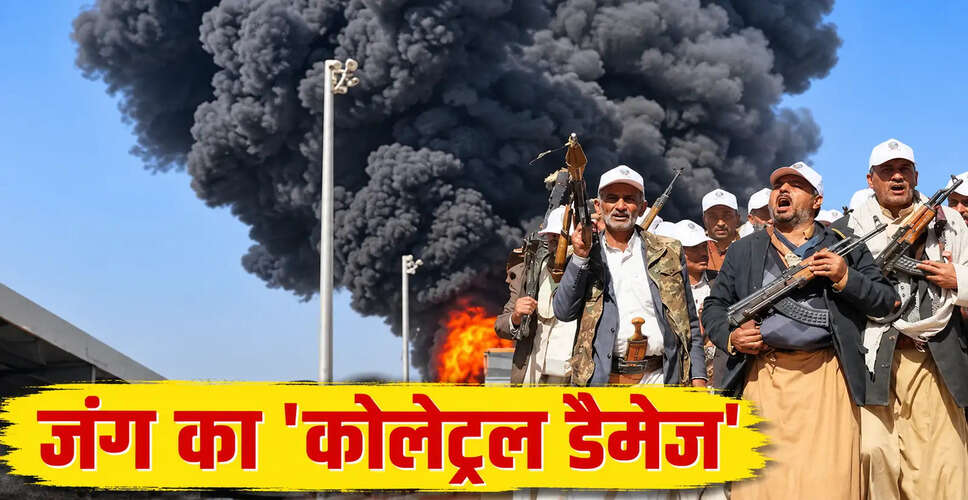
The increasing unrest in the Middle East is beginning to pose a significant threat to the safety of Indian citizens. The ongoing conflict between Houthi rebels in Yemen and Saudi Arabia has raised serious concerns regarding security in the Gulf region. Amidst the tensions stretching from Riyadh to the Red Sea, the safety of Indians working in these areas has become a pressing issue.
Impact on Indian Workers in the Gulf
Thousands of Indian nationals reside in Gulf countries for employment and business opportunities. Consequently, military actions and security incidents in the region could directly affect their daily lives.
Casualties from Attacks in Riyadh
In October 2026, an attack at King Khalid International Airport in Saudi Arabia shocked the Indian community, resulting in the death of one Indian citizen and injuries to several others. Tragically, another injured Indian succumbed to their injuries later. Additionally, an attack at King Fahd International Airport in Dammam also claimed the life of an Indian and left many others hurt.
Continued Threats in November
The danger did not subside in November, as two Indian nationals were injured in an attack on a building in Riyadh's financial district on November 24. The Indian Ministry of External Affairs condemned these attacks, expressing concern over the targeting of civilians and critical infrastructure.
Concerns for Indian Mariners in the Red Sea
The threat extends beyond urban areas in Saudi Arabia. Indian sailors operating in the Red Sea and surrounding maritime routes are also caught in the crossfire of regional conflicts. In August, an Indian-flagged vessel, 'MSV Faiz Noor Olia,' sank following an attack near the Yemeni coast, although all 14 crew members, including 13 Indians, were rescued.
Casualties Among Indian Sailors
According to data from the Ministry of External Affairs, Indian sailors have also lost their lives amid the ongoing broader conflict in West Asia, raising alarms about the safety of those working on maritime routes.
Impact on Indian Umrah Pilgrims
The attacks in Saudi Arabia have also disrupted air travel. In October, approximately 4,000 Indian Umrah pilgrims were stranded in Mecca and Medina due to flight cancellations, including women, children, and the elderly. The Indian government, along with the embassy in Riyadh, coordinated with airlines and tour operators to facilitate the return of these travelers.
Potential Threats to Jeddah and the Red Sea
On November 25, the Houthis warned that if Saudi Arabia attacked Hodeidah in Yemen, they might target Jeddah and other Saudi ports along the Red Sea. This escalated concerns regarding maritime trade and the safety of vessels. The Red Sea is a crucial maritime route for global trade, and rising tensions could adversely affect Indian sailors and commercial ships.
Government's Challenge in Ensuring Safety
This situation is particularly critical for India, given the large number of Indian citizens residing and working in Saudi Arabia and other Gulf nations. The government faces the challenge of ensuring the safety of its citizens, monitoring maritime routes, and facilitating their safe return if necessary.
Broader Implications of the Houthi-Saudi Conflict
Overall, the escalating conflict between the Houthis and Saudi Arabia is no longer confined to Yemen and Saudi Arabia. Its repercussions are now affecting Indian workers, sailors, and citizens on religious pilgrimages.