
Rising Tensions in the Middle East: Diplomatic Efforts Stalled

Current State of Middle East Diplomacy
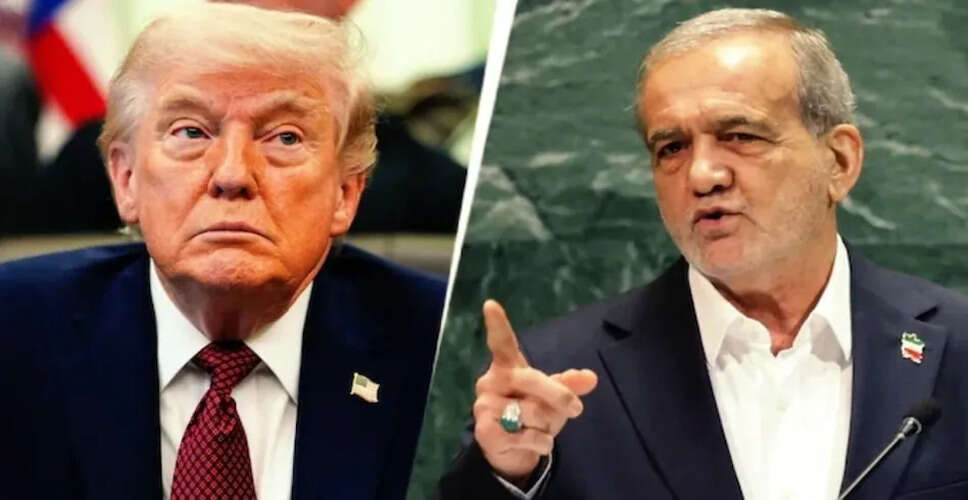
The Middle East finds itself at a critical juncture where the gap between diplomacy and military confrontation is narrowing. Recent discussions between the United States and Iran, which were anticipated to yield positive outcomes, have faced significant setbacks. The stern warnings from U.S. President Donald Trump and the aggressive stance of Israeli Prime Minister Benjamin Netanyahu have escalated tensions across the region.
Reasons Behind the Stalled Talks
The talks held in Switzerland aimed to address issues such as Iran's nuclear program, regional security, and the ongoing conflict in Lebanon. However, the atmosphere soured shortly after the discussions commenced. Reports indicate that Trump issued stern statements regarding Iran, warning of severe consequences if U.S. demands were not met. This led to a display of dissatisfaction from the Iranian delegation, resulting in a halt to the negotiations.
Analysts suggest that the breakdown of talks signifies not just a diplomatic failure but also reflects the deep-seated mistrust that has characterized U.S.-Iran relations for years.
The Danger of Trump's Ultimatum
Trump has consistently conveyed that Iran must comply with U.S. conditions regarding its nuclear program, ballistic missiles, and regional allies. He has previously warned of 'harsh consequences' should an agreement not be reached.
Political experts argue that such rhetoric undermines the potential for dialogue and could push both nations toward confrontation, especially given the existing tensions in strategic areas like the Persian Gulf and the Strait of Hormuz.
Netanyahu's Independent Stance
On the other hand, Netanyahu has made it clear that Israel will not wait for any agreements regarding its security. Recent weeks have revealed differences between the U.S. and Israel concerning Iran and Lebanon. While Washington seeks to limit the conflict and promote dialogue, Netanyahu appears to favor maintaining military pressure.
Israel argues that Iran-backed groups pose a continuous threat to its security, making military action the most viable option. Consequently, Israel has continued its operations despite U.S. efforts.
Potential for Escalation into Major Conflict
The pressing question remains: could a significant war erupt? Currently, there is no declaration of full-scale regional war, but several factors could make the situation volatile:
- Severe lack of trust between the U.S. and Iran.
- Escalating animosity between Israel and Iran.
- The ongoing conflict in Lebanon and Hezbollah's involvement.
- Concerns regarding security in the Strait of Hormuz.
- U.S. military presence and displays of power in the region.
Experts believe that if diplomatic channels close completely and either side takes significant military action, the conflict could extend beyond just Israel and Iran, impacting the entire Middle East, global oil markets, and international security.
Global Attention on Next Moves
The current situation can be described as 'neither war nor peace.' While communication between the U.S. and Iran has not entirely ceased, there are no signs of reduced tensions on the ground. The coming days will be crucial in determining whether the Middle East will return to the negotiating table or revert to a dialogue dominated by gunpowder and missiles.
Conclusion:
The Middle East is not formally on the brink of war, but the circumstances are extremely delicate. Trump's stern warnings, Iran's responses, and Netanyahu's independent and aggressive stance create a scenario where even a small spark could ignite a larger regional conflict.