
Rising Tensions in the Gulf: US Blockade Sparks Fears of Conflict

Escalating Tensions in the Gulf Region
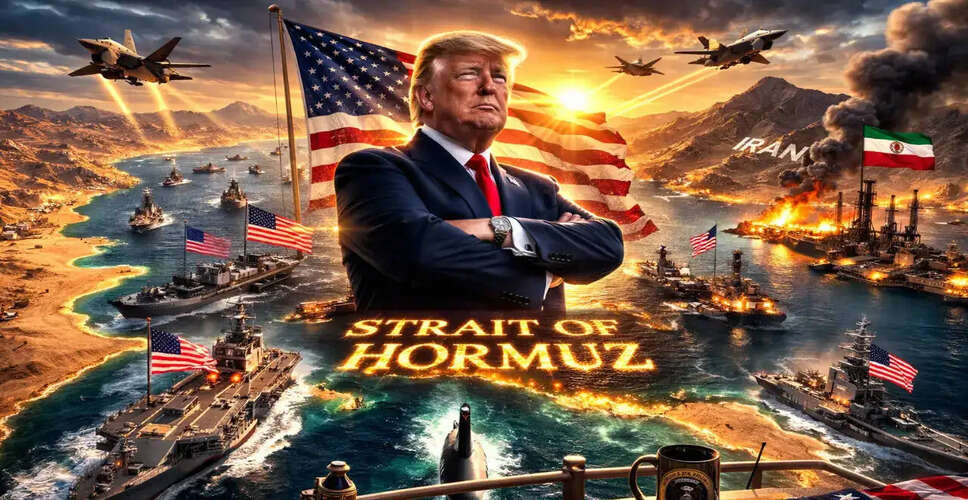
The Gulf region is once again on the brink of a potential wider conflict as the United States initiated its blockade of the Strait of Hormuz on Monday at 7:30 PM IST. Iran has issued threats of retaliation, while Israeli forces are preparing for a possible breakdown of the ceasefire. The arrival of US warships in the area has heightened concerns that the region may be heading towards a third Gulf War.
According to reports, the Islamic Revolutionary Guard Corps (IRGC) may take action as soon as this evening in response to the escalating situation in the Strait of Hormuz, potentially targeting American and Israeli interests. This comes as the Israeli Defense Forces (IDF) gear up for further escalation amid fears of a complete ceasefire collapse.
A military source indicated that ground crews and technical teams are working tirelessly to ensure all aircraft and platforms in the Air Force are fully prepared. They are actively reviewing targets, orders, and operational plans, as reported.
The situation escalates as Washington prepares for maritime enforcement actions. The US military has begun blocking ships departing from Iranian ports following unsuccessful talks in Islamabad over the weekend, jeopardizing the fragile ceasefire.
Oil markets reacted sharply, with prices soaring as trading resumed. The Strait of Hormuz remains significantly disrupted, with Iran already limiting vessel movements and insisting that ships pass only under Iranian control and fees. The new US stance further escalates tensions, with President Trump warning that vessels paying Iranian tolls would not be granted safe passage.
The US Central Command announced that the blockade would apply to all vessels entering or leaving Iranian ports and coastal areas, including those in the Arabian Gulf and Gulf of Oman. In response, Iran has threatened retaliation, with a military spokesperson stating that any US restrictions in international waters would be considered "piracy." They warned that if Iranian ports were threatened, no port in the Gulf or Gulf of Oman would remain secure.
The IRGC has also cautioned that any military vessels approaching would be seen as violations of the ceasefire.
Historical Context: Gulf Wars
The term "Gulf War" typically refers to two significant conflicts in the modern Middle East. The first Gulf War (1990–1991) was triggered by Iraq's invasion of Kuwait under Saddam Hussein, leading to a US-led coalition's intervention to expel Iraqi forces. This military campaign, known as Operation Desert Storm, successfully liberated Kuwait but left Saddam's regime in power.
The second Gulf War, commonly referred to as the Iraq War (2003), was initiated by the United States and its allies, citing threats of weapons of mass destruction and terrorism links. This conflict resulted in the overthrow of Saddam Hussein's government, followed by years of instability, insurgency, and regional turmoil that significantly impacted Iraq and the broader Middle East.
(With inputs from various sources)